
Croatia: The Mediterranean As It Once Was
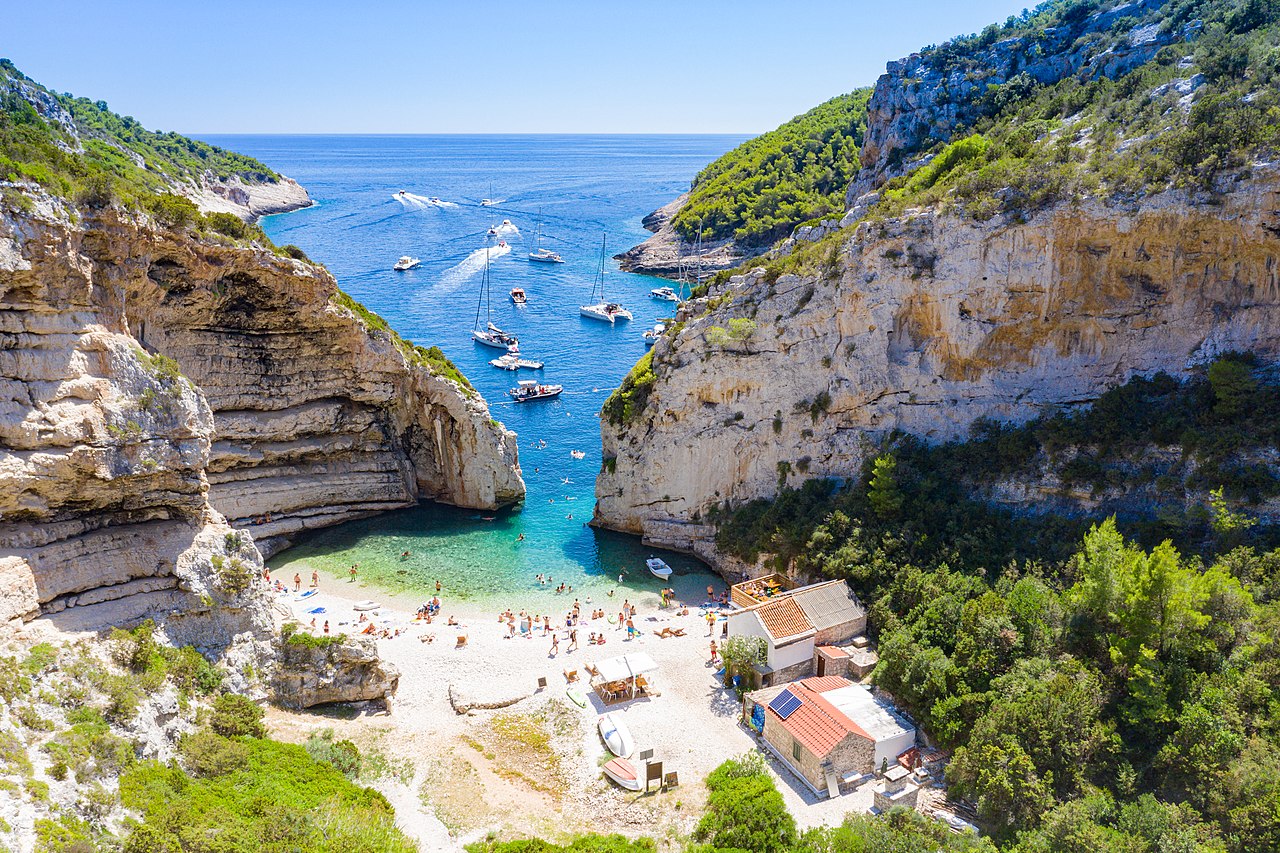
Croatia is a country that seems to have hoarded the best parts of Europe. It has the Roman ruins of Italy, the turquoise waters of Greece, and the alpine forests of Switzerland—all packed into a nation the size of West Virginia.
For years, it was the "budget alternative" to Italy. Today, Croatia is a star in its own right. From the walled city of Dubrovnik to the truffle-rich hills of Istria, it offers a blend of history and hedonism that is hard to beat. If you are ready to explore the land of 1,200 islands, here is your guide to doing it right.
1. Dubrovnik: The Pearl (and the Price)
Let’s start with the heavy hitter. Dubrovnik is undeniably stunning, a perfectly preserved medieval fortress city dropping straight into the sea.
- The Walls: Walking the City Walls is non-negotiable. Stretching nearly 2 kilometers, these fortifications offer views of the terracotta rooftops on one side and the shimmering Adriatic on the other.
- Factual Note: As of 2025, the entry ticket for the walls is roughly €40 during peak season. It is expensive, but the ticket often includes entry to the Lovrijenac Fortress (the "Red Keep" for Game of Thrones fans).
- The Strategy: Dubrovnik is a victim of its own success. To avoid the crushing crowds of cruise ship passengers, walk the walls at 8:00 AM sharp or just before closing at sunset. Stay outside the Old Town (in Lapad or Gruž) to save money on accommodation.
2. Split: Living History
Drive three hours north (or take a catamaran), and you reach Split. Unlike Dubrovnik, which feels like a museum, Split is a loud, chaotic, living city.
- Diocletian’s Palace: This is not a "palace" in the traditional sense; it is the living heart of the city. Built by the Roman Emperor Diocletian in the 4th century AD as his retirement home, it is now a maze of 3,000 residents, shops, and hotels. You don't "visit" it; you drink coffee inside it.
- The Riva: The waterfront promenade is the city’s runway. Grab a coffee (Croatians spend hours nursing a single espresso) and watch the ferries depart for the islands.
3. The Islands: Hvar and Vis
You cannot come to Croatia and not get on a boat.
- Hvar: Known as the "Queen of the Dalmatian Islands," Hvar is famous for two things: lavender and luxury. The main town is glitzy, filled with yachts and beach clubs. For a quieter experience, head to Stari Grad on the north side of the island, one of the oldest towns in Europe.
- Vis: For something more authentic, take the longer ferry ride to Vis. It was a closed military base until 1989, meaning it escaped mass tourism development. It is rugged, quiet, and home to Stiniva Cove, a beach hidden behind massive cliff walls.
4. Istria: The Land of Giants and Truffles
The northern peninsula of Istria feels completely different—more Italian than Slavic.
- Pula: The city is dominated by the Pula Arena, the sixth-largest Roman amphitheater in the world. It is incredibly well-preserved and still hosts concerts and film festivals today.
- Truffles: The Motovun Forest in central Istria is one of the world's premier regions for white truffles. In autumn, you can join a truffle hunt with trained dogs. The local pasta, fuži with truffles, is a culinary masterpiece.
5. Plitvice Lakes: The Water Wonderland
Head inland to Plitvice Lakes National Park, Croatia’s most famous natural site.
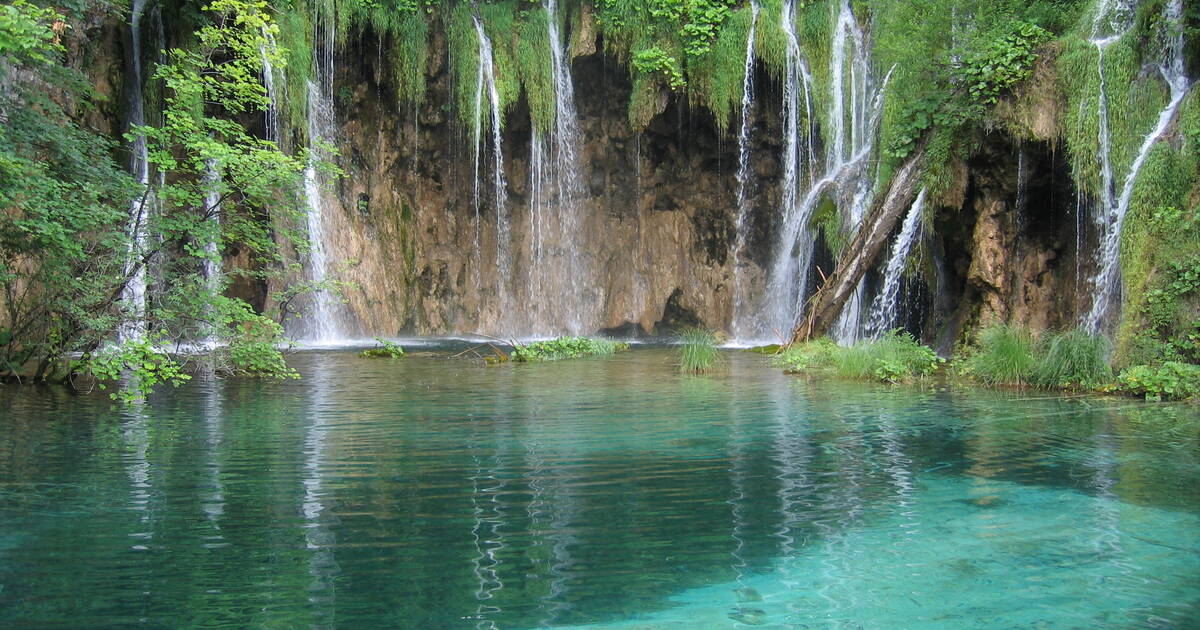
- The Landscape: Imagine 16 terraced lakes, cascading one into the next via hundreds of waterfalls. The water color shifts from azure to grey to emerald depending on the mineral content and sunlight.
- The Walk: You explore via a network of wooden boardwalks that hover just inches above the water.
- Fact: Swimming is strictly forbidden here to protect the delicate travertine barriers that form the lakes. If you want to swim in waterfalls, head to Krka National Park further south (though restrictions have tightened there recently as well).
Source- World Heritage Centre
6. Practical Logistics: The "Roaming" Reality
Croatia is a modern EU nation, but navigation can still be tricky for visitors.
The Connectivity Gap While Croatia is part of the EU (meaning "Roam Like at Home" applies for EU citizens), travelers from the UK, USA, Canada, and Australia often face steep roaming charges.
- The Challenge: You will rely heavily on apps. You need Jadrolinija (the ferry app) to check if your boat to Hvar is cancelled due to wind. You need Google Maps to navigate the winding coastal roads where GPS signals can be spotty.
- The Fix: Purchase an eSIM.
- Why? Buying a physical SIM card in Croatia requires finding a Tisak (newsstand) or a T-Hrvatski Telekom shop, which can be closed during "siesta" hours in smaller towns.
- The Benefit: By purchasing an eSIM data plan before you fly, you connect to local 4G/5G networks the moment you land in Zagreb or Split. It ensures you can pay for parking via SMS (a common requirement in Croatian cities) and translate menus in rural Konobas (taverns) without hunting for Wi-Fi.
7. Money and Timing
- Currency: Croatia officially adopted the Euro (€) in 2023. If you have old Croatian Kuna lying around from a previous trip, they are no longer legal tender.
- When to Go: Avoid July and August if possible. The heat is intense (often 35°C+), and the crowds are overwhelming.
- The Sweet Spot: Visit in May/June or September. The sea is warm enough to swim, the ferries are running on the summer schedule, but you won't have to fight for space on the beach.
Why Go Now?
Croatia has fully graduated from "hidden gem" to "world-class destination." It is safe, clean, and incredibly beautiful. Whether you are in an Istrian vineyard or watching the sunset hit the Zadar Sea Organ, Croatia offers a Mediterranean experience that feels timeless.