
Costa Rica: The Land of Pura Vida (And How to Navigate It)
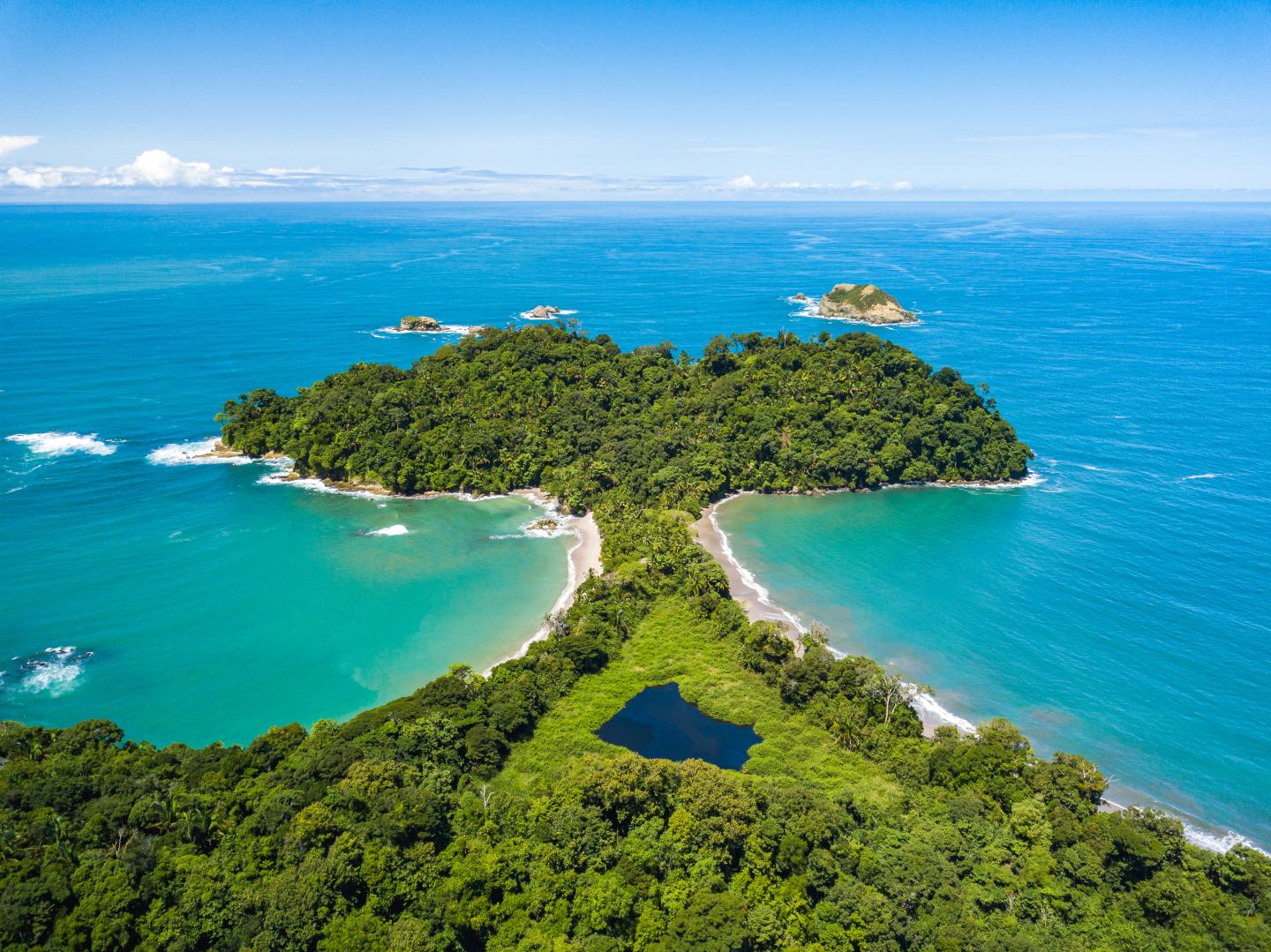
Costa Rica is the eco-tourism capital of the world for a reason. It is a country that abolished its army in 1948 to spend the money on education and nature instead. The result? A nation that protects over 25% of its land, runs on nearly 100% renewable energy, and holds 5% of the world’s biodiversity in a space smaller than West Virginia.
But beyond the statistics, Costa Rica is a feeling. It is the "Pura Vida" (Pure Life) that you hear as a greeting, a farewell, and an answer to "how are you?" It is a place where rush hour means waiting for a family of coatimundis to cross the road.
If you are ready to trade stress for slushy surf and cloud forests, here is your factual guide to doing it right.
1. The Golden Trio: Volcanoes, Clouds, and Beaches
If it is your first time, you will likely hit the "Gringo Trail." Don't let the name deter you; these places are popular because they are spectacular.
Arenal (La Fortuna): The Adventure Hub The perfect cone of the Arenal Volcano dominates the skyline here.
- The Hot Springs: Thanks to the geothermal activity, this area is packed with natural hot springs. You can pay $80 for a luxury day pass at places like Tabacón, or you can visit the free "Rio Chollin" where locals go to soak in the hot river under the jungle canopy.
- La Fortuna Waterfall: A massive 70-meter waterfall crashing into an emerald pool. It involves a steep hike down (500 steps), but the swim at the bottom is worth every bead of sweat.
Monteverde: The Cloud Forest Drive three hours up into the mountains, and the temperature drops. You are now in the clouds.
- The Ecosystem: A "cloud forest" is distinct from a rainforest; it gets its water from the mist that hangs constantly in the air. This makes everything mossy, green, and prehistoric.
- The Hanging Bridges: The best way to see it is not from the ground, but from the canopy. Walking across suspension bridges 200 feet in the air puts you eye-to-level with monkeys and the elusive Resplendent Quetzal bird.
Manuel Antonio: The Wildlife Guarantee Located on the Pacific Coast, this is the smallest National Park but arguably the best for wildlife.
- The "Zoo" Without Cages: It is almost impossible to walk the main trail here without seeing a three-toed sloth, a white-faced capuchin monkey, or a jesus christ lizard (basilisk).
- The Beaches: The park ends at two pristine, white-sand beaches. Watch your backpack—the raccoons and monkeys here are professional thieves who know how to unzip bags to steal sandwiches.
2. The Caribbean Side: Puerto Viejo
For a completely different vibe, head east. The Caribbean coast is culturally distinct, with a strong Afro-Caribbean influence, reggae music, and coconut-infused cuisine.
- Puerto Viejo de Talamanca: This is a laid-back bike town. You rent a rusty beach cruiser for $5 a day and pedal from beach to beach.
- Cahuita National Park: Unlike Manuel Antonio, this park is donation-based (pay what you want) and far less crowded. The trail runs parallel to the ocean, so you can hike for 30 minutes, spot a viper or a sloth, and then jump into the Caribbean Sea to cool off.
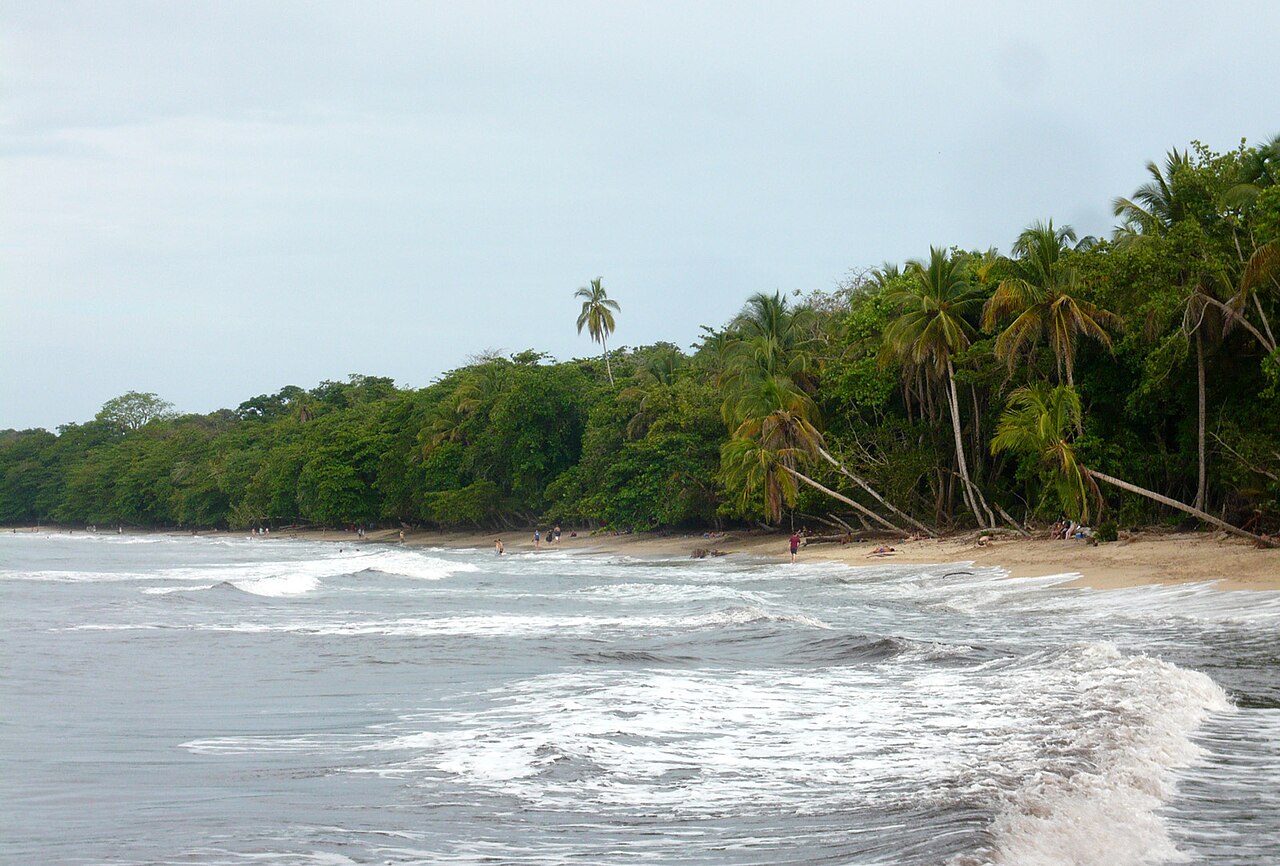
- Source- Haakon S. Krohn, CC BY-SA 3.0, via Wikimedia Commons
3. The Connectivity Reality: Why You Need an eSIM
Here is a logistical reality check that often trips up first-time visitors: Navigation in Costa Rica is tricky.
- The "Address" System: Costa Rica doesn't really use street names and numbers. An official address might look like: "From the old fig tree, 200 meters north, next to the yellow house."
- The Waze Reliance: Because of this, locals and tourists alike rely 100% on Waze (it is generally more accurate than Google Maps here for potholes and police traps).
- The Connectivity Gap: If you rely on your home carrier's roaming plan, you risk slow speeds or daily caps (often $10/day). If you try to buy a physical SIM card locally, it can involve a long wait at a Kolbi or Claro shop with your passport in hand.
- The Fix: The smartest move is to purchase an eSIM data plan before you fly.
- Why? An eSIM allows you to connect to local towers the moment you land in San José or Liberia. You avoid the airport kiosks, and most importantly, you have immediate, reliable data to load Waze for your rental car or to use WhatsApp to contact your shuttle driver. In a country where road signage is often "optional," having a working map at all times is a safety essential.
4. Getting Around: The "Shuttle vs. Car" Debate
- Renting a Car: This gives you the most freedom, but be warned: Costa Rican driving is aggressive, and road conditions can be poor (massive potholes, river crossings). Mandatory rental car insurance (TPL) is also very high, often doubling the online quote price. Essential Tip: Never leave anything valuable in your car, even for a minute.
- Shared Shuttles: Companies like Interbus or RideCR offer door-to-door van service between major tourist towns for about $50-$60. It is stress-free, air-conditioned, and usually has Wi-Fi.
- The Public Bus: Very cheap (often under $10), but confusing and slow. It’s great for the budget, but you might lose half a day in transit.
5. Eat Like a Local: The Soda
You can spend $50 on dinner in tourist traps, or you can eat better for $6.
- The Soda: Look for small, open-air restaurants with the word "Soda" in the name. These are family-run local diners.
- The Casado: This is the national lunch dish. It consists of rice, black beans, salad, fried plantain, and your choice of protein (fish, chicken, pork chop) usually smothered in onions. It is huge, fresh, and cheap.
- Salsa Lizano: You will find a bottle of brown sauce on every table. This is Salsa Lizano. It tastes like a vegetable-based Worcestershire sauce. Put it on your eggs, your rice, your beans—everything. It is the taste of Costa Rica.
6. When to Go: Green vs. Dry
- Dry Season (Dec–April): Perfect beach weather, zero rain, but higher prices and crowds. Everything is "brown" and dry in the northwest.
- Green Season (May–Nov): It rains, usually in the afternoons. The upside? The jungle is lush and exploding with life, hotels are 30-40% cheaper, and the waterfalls are full. September and October are the rainiest months on the Pacific, but—fun fact—they are the driest months on the Caribbean side.
Why Go Now?
Costa Rica is the rare travel destination that lives up to the hype. It is safe, the water is warm, and the wildlife is everywhere. Whether you are zip-lining through a cloud or just eating a mango on a black sand beach, you will eventually find yourself saying it, and meaning it: Pura Vida.