
Central African Republic: The Final Frontier of African Safaris
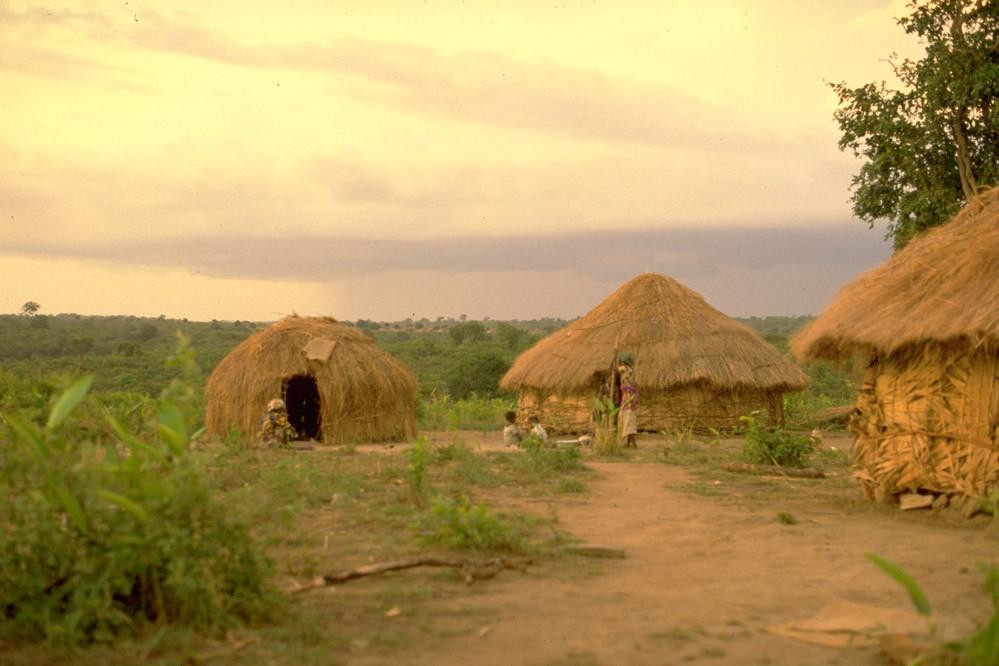
Source: IFAD
CAR is a country defined by its headlines—conflict, instability, and travel advisories. And while those warnings are real and must be respected, there is a hidden corner of this nation that offers one of the most profound wildlife experiences on Earth. It is a place where thousands of forest elephants gather in a clearing that looks like a prehistoric meeting ground, and where you can track western lowland gorillas in silence, miles from the nearest paved road.
If you are an experienced traveler willing to navigate the logistics, here is your guide to the Dzanga-Sangha Special Reserve—the emerald heart of Central Africa.
1. The Safety Reality Check
Before you even look at flights, you need to understand the map.
- The Red Zone: Most of CAR is currently classified as "Do Not Travel" by major governments (US, UK, Canada) due to armed rebel groups and instability. This includes the northern and eastern regions.
- The Green Corridor: The Dzanga-Sangha Special Reserve is located in the far southwest tip of the country, sandwiched between Cameroon and the Republic of Congo. This area is geographically isolated from the conflict zones and is generally considered stable for tourism.
- The Rule: You do not backpack through CAR. You travel specifically to Dzanga-Sangha, usually via a charter flight or a secure convoy arranged by a reputable lodge. Do not deviate from this path.
2. The Bai: The Gathering of Giants
The crown jewel of CAR is Dzanga Bai. Imagine a sandy clearing the size of several football fields, carved out of the dense rainforest. In the center, mineral-rich mud bubbles up from the earth.
- The Scene: This is the "Village of Elephants." On any given day, you can see 50 to 100 forest elephants here at once. Unlike their savannah cousins, forest elephants are smaller, darker, and have straighter tusks. They dig into the mud with their trunks to extract salt, ignoring the bongo antelopes, forest buffaloes, and giant forest hogs that share the clearing.
- The Platform: You view this spectacle from a raised wooden platform on the edge of the tree line. It is not uncommon to sit there for hours, watching the silent, complex social interactions of these giants. There are no other jeeps, no radios crackling—just you and the breathing of the forest.
3. Gorilla Trekking: The Lowland Encounter
While Rwanda and Uganda are famous for Mountain Gorillas, CAR is home to the Western Lowland Gorilla.
- The Difference: Lowland gorillas are smaller, with shorter hair and distinct reddish-brown crests on their heads. They are also much harder to habituate because they travel further and faster through the flat forest floor.
- The Trek: In Dzanga-Sangha, the Primate Habituation Programme (PHP) has successfully habituated groups like the "Makumba" family. The trek is flat but humid and dense. You aren't climbing a volcano, but you are hacking through thick vegetation. When you finally find them, usually eating fruit in the trees or resting in a clearing, the encounter feels intimate and earned.
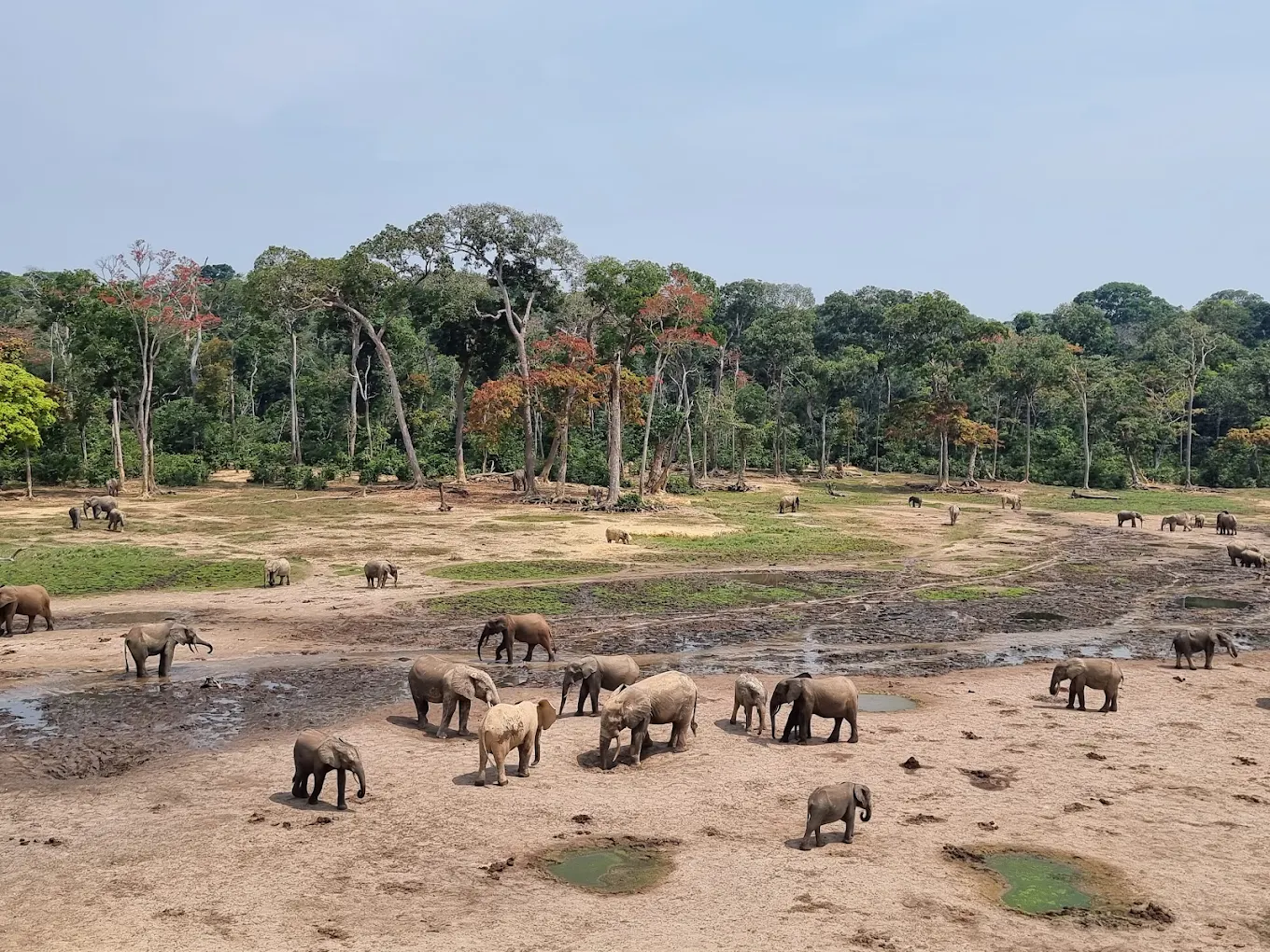
Source- Google Maps User Submitted Content. Photo by Bruno VAN DEN BOSSCHE
4. The Ba’Aka Culture: Masters of the Forest
The indigenous Ba’Aka people have lived in this forest for thousands of years.
- Net Hunting: You can join a group of Ba’Aka on a traditional net hunt. This isn't a staged show for tourists; it’s their daily life. They move through the forest with a speed and silence that makes you feel clumsy in comparison, setting up nets made of vines to catch small duikers (antelope).
- The Polyphonic Singing: If you are lucky, you might hear their traditional singing, a complex, multi-layered vocal style that is recognized by UNESCO as an Intangible Cultural Heritage of Humanity.
5. The Connectivity Crisis (And the Solution)
This is the most critical logistical tip for your trip. CAR has some of the poorest telecommunications infrastructure in the world. Outside of the capital, Bangui, cell service is nonexistent or unreliable. However, in a country with a volatile security situation, being offline is a safety risk. You need to be able to check in with your transport team, monitor travel advisories, or contact your embassy in an emergency.
The Roaming Trap Your home carrier likely has zero roaming agreements in CAR. If you land in Bangui expecting your phone to work, you will likely see "No Service."
The Fix: The eSIM The only reliable way to ensure you have connectivity (at least in Bangui and transit hubs) is to purchase a regional or global eSIM data plan before you fly.
- Why? An eSIM allows you to connect to whatever local signals are available without the danger of wandering into a local market to buy a physical SIM card.
- The Strategy: Download an eSIM profile that covers Central Africa. While you won't have a signal deep in the rainforest (where you will rely on satellite phones provided by the lodge), having data the moment you land in Bangui or transit through Cameroon is essential for coordinating your charter flight and confirming your safety with family back home.
6. Practical Logistics: How to Actually Do It
Getting There
- The Route: Most travelers fly into Bangui M'Poko International Airport (BGF) via Paris (Air France), Casablanca (Royal Air Maroc), or Nairobi (Kenya Airways).
- The Transfer: From Bangui, you must take a charter flight (approx. 50 minutes) to the airstrip at Bayanga. Driving from Bangui takes 12+ hours on dangerous roads and is not recommended for safety reasons.
Where to Stay
- Sangha Lodge: This is the premier (and practically only) option for tourists. It sits on the banks of the Sangha River and handles all logistics, including permits, trackers, and charter flights.
Best Time to Visit
- Dry Season (December to March): The roads are better, and the gorillas are easier to track as they don't move as far.
- Wet Season (April to November): It rains. A lot. However, the fruit in the forest is abundant, which attracts more elephants to the Bai.
Money & Visas
- Currency: Central African CFA Franc (XAF).
- Cash: Bring Euros. They are the easiest to exchange. Credit cards are useless.
- Visa: You will likely need a visa in advance. Do not rely on "visa on arrival" unless explicitly confirmed by your lodge or tour operator.
The Verdict
The Central African Republic is not for everyone. It is expensive, logistically difficult, and carries inherent risks. But standing on the platform at Dzanga Bai, watching a tusker emerge from the mist while a flock of grey parrots screeches overhead, you realize you are seeing Africa as it was 100 years ago. It is a privilege that very few people will ever experience.