
Cameroon: The "Africa in Miniature" You Need to See to Believe
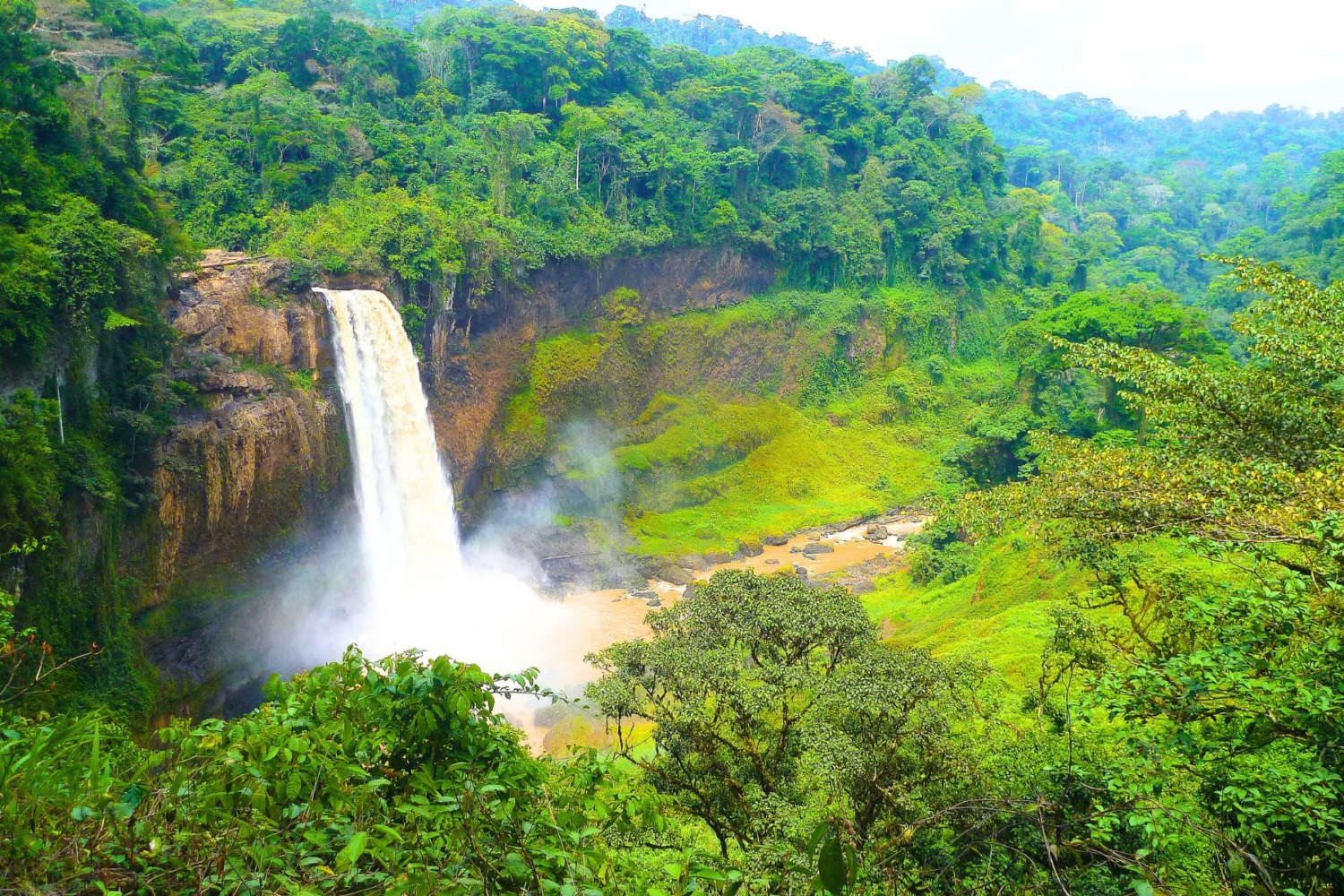
Source: Mighty Earth
Cameroon is not a destination for the faint of heart, nor is it a place for the passive tourist. It is a country that demands your attention, your patience, and your respect. But in return, it offers something that has all but vanished from the modern travel map: the thrill of genuine discovery.
Often called "Africa in Miniature," this triangle-shaped nation situated at the armpit of the continent holds every major African landscape within its borders. You can wake up in a dense equatorial rainforest, drive through cool, mist-covered mountains, and end your day on a volcanic black-sand beach.
However, navigating Cameroon requires savvy. With complex visa rules, strict regional security zones, and a language barrier that shifts from French to English to 250 local tongues, you need a guide. Here is how to explore the safest, most vibrant corners of the country.
1. The Safety Reality Check
Before we pack our bags, let’s address the elephant in the room. You will see travel advisories for Cameroon, and they are there for a reason.
- The "No-Go" Zones: Currently, the Far North (due to Boko Haram activity) and the Anglophone regions of the Northwest and Southwest (due to separatist conflict) are classified as "Do Not Travel" by most Western governments. This means iconic spots like Waza National Park and, unfortunately, Mount Cameroon (accessible via Buea) are currently high-risk areas.
- The "Green" Zones: The good news is that the Centre (Yaoundé), the Littoral (Douala), the South (Kribi), and the West (Bafoussam/Foumban) remain largely stable and open for business. This guide focuses strictly on these safer regions, where the only danger you’re likely to face is a spicy pepper sauce.
2. Yaoundé: The City of Seven Hills
Your journey will likely start in Yaoundé, the political capital. Unlike the frantic commercial hub of Douala, Yaoundé is greener, slightly cooler, and spread across seven massive hills.
- The Mvog-Betsi Zoo: This isn't a typical zoo. It is a primate sanctuary run with the help of international conservation groups. It’s one of the best places to see rescued gorillas and mandrills up close without trekking into the deep jungle.
- The Monument of the Reunification: A spiral concrete masterpiece that symbolizes the merging of British and French Cameroons. The architecture is distinctly 1970s futuristic, and the view from the top offers a panoramic look at the city’s sprawling hills.
- Blackitude Museum: Tucked away in the city, this private museum houses a stunning collection of tribal art, masks, and royal artifacts that survived the colonial era. It’s a quiet, profound introduction to the country's ancestry.
3. The West: Kingdom of the Sultans
Drive five hours north of the capital, and the humid rainforest gives way to the cool, grassy highlands of the West Region. This is the heartland of the Bamileke and Bamoun peoples.
- Foumban: This city is the cultural heartbeat of the nation. It is the seat of the Bamoun Sultanate, founded in the 14th century.
- The Royal Palace: You can visit the Sultan’s palace and the adjacent museum, which holds the belongings of the famous King Njoya—a monarch who invented his own alphabet (A-ka-u-ku) and built a printing press to preserve his people's history. Walking through the market here, you’ll see artisans carving wood and casting bronze using techniques that haven't changed in 500 years.
4. The Jungle: Dja Faunal Reserve
Since the northern safaris are off-limits, head Southeast to the Dja Faunal Reserve.
- The Biosphere: A UNESCO World Heritage site, the Dja River almost completely encircles this massive rainforest, protecting it from encroachment.
- The Wildlife: This is true, raw nature. It is home to forest elephants, buffalo, leopards, and western lowland gorillas.
- How to visit: You cannot just drive in. You must hire a guide and usually arrange a multi-day trek. It is humid, muddy, and exhausting, but tracking gorillas in the wild without the crowds of Rwanda or Uganda is a bucket-list experience.
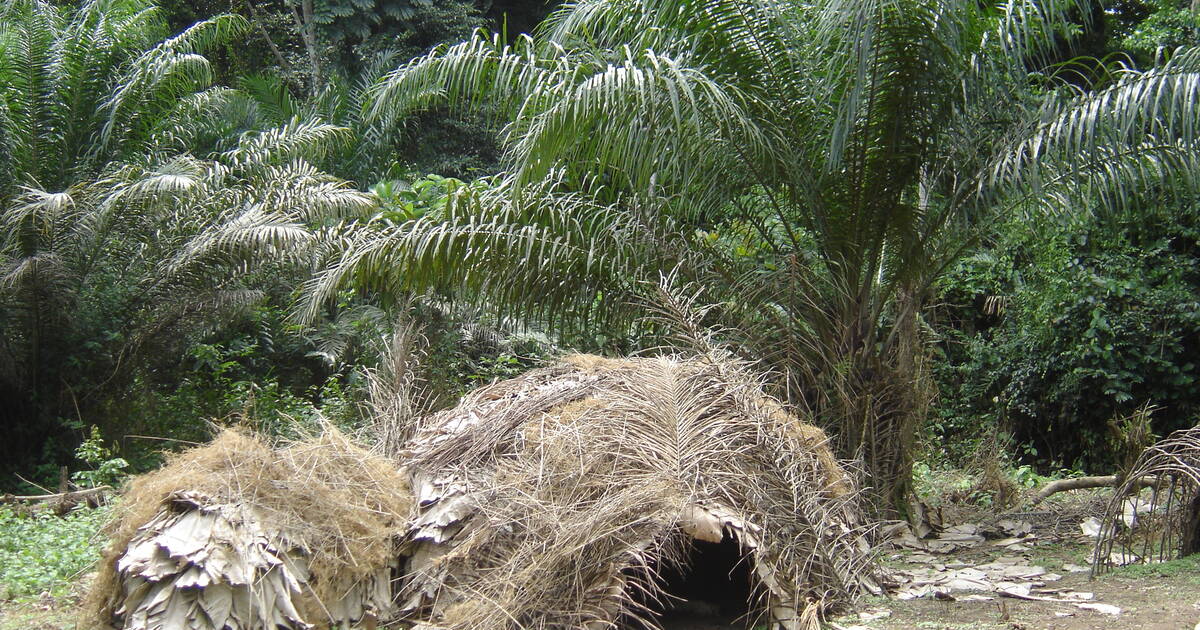
Dja Faunal Reserve. Source- World Heritage Centre
5. Kribi: The Riviera of Cameroon
After the humidity of the jungle and the hills of the West, you need the ocean. Head south to Kribi.
- Lobe Waterfalls: This is the headline act. The Lobe Falls are unique in the world because they don't fall into a river or a lake—they cascade directly into the Atlantic Ocean. You can hire a local pirogue (canoe) to paddle you right up to the spray where the fresh water meets the salt.
- The Food: Kribi is famous for its "crevettes" (shrimps). At the beachside shacks, you can point to a pile of fresh giant prawns, and they will grill them with garlic and chili while you wait, feet in the sand.
- Pygmy Villages: Nearby, you can visit Bagyeli (Pygmy) communities. Note: Be extremely careful with your choice of tour operator here. Ensure you are using an ethical guide who respects the community, rather than treating the visit as a human zoo.
6. The Connectivity Challenge (And How to Solve It)
Cameroon is a place where information is your safety net. You need to be able to translate French menus, check real-time road reports, and keep your embassy updated on your location. However, getting online here is surprisingly difficult for tourists.
The "SIM Card" Bureaucracy In an effort to crack down on security issues, Cameroon has implemented strict laws on SIM card registration.
- The Process: To buy a local SIM (MTN or Orange), you must go to an official branch, wait in long queues, provide your passport, have your photo taken, and sometimes provide a fingerprint. Roadside vendors can no longer legally activate SIMs for you.
- The Delay: Activation can sometimes take hours or even 24 hours to process.
The Solution: The eSIM To bypass this headache, the smartest move for any traveler is to purchase an eSIM data plan before you fly.
- Why it works: An eSIM is a digital SIM profile that you download to your phone. It allows you to connect to local Cameroonian networks immediately upon landing in Yaoundé or Douala.
- The Benefit: You skip the registration queue and the privacy intrusion. Most importantly, you have immediate internet access to order a Yango (the local version of Uber), which is significantly safer and cheaper than haggling with street taxis at the airport.
7. Practical Survival Tips
The Visa Maze Cameroon recently launched an e-Visa system. While this is an improvement over the old in-person method, the website can be glitchy.
- Tip: Apply at least three weeks in advance. Print everything—the approval letter, the payment receipt, and your hotel booking. You will likely be asked for physical copies at the airport.
Cash is King (and Queen) Credit cards are virtually useless outside of 5-star hotels.
- Currency: The Central African CFA Franc (XAF).
- The Peg: It is pegged to the Euro (655 XAF = 1 Euro).
- Exchange: Bring Euros. They are the easiest to exchange and get the best rates. US Dollars are accepted but often at a lower rate and only if the bills are brand new (post-2013).
The Language Switch Cameroon is officially bilingual (French and English). However, 80% of the country (including Douala and Yaoundé) is Francophone.
- The Hack: Download the French language pack on Google Translate before you arrive. Outside of high-end hotels, English is rarely spoken in the capital.
Why Go Now?
Cameroon is challenging. It has potholes, police checkpoints, and bureaucracy. But it also has a pulse that you can feel through the soles of your feet. Whether you are eating Ndole (a rich, creamy stew made of bitter leaves, peanuts, and meat) in a bustling market or standing in the mist of the Lobe waterfalls, you are experiencing an Africa that hasn't been curated for Instagram. It is real, it is raw, and it is waiting for you.