
Brazil: More Than Just Samba and Sand
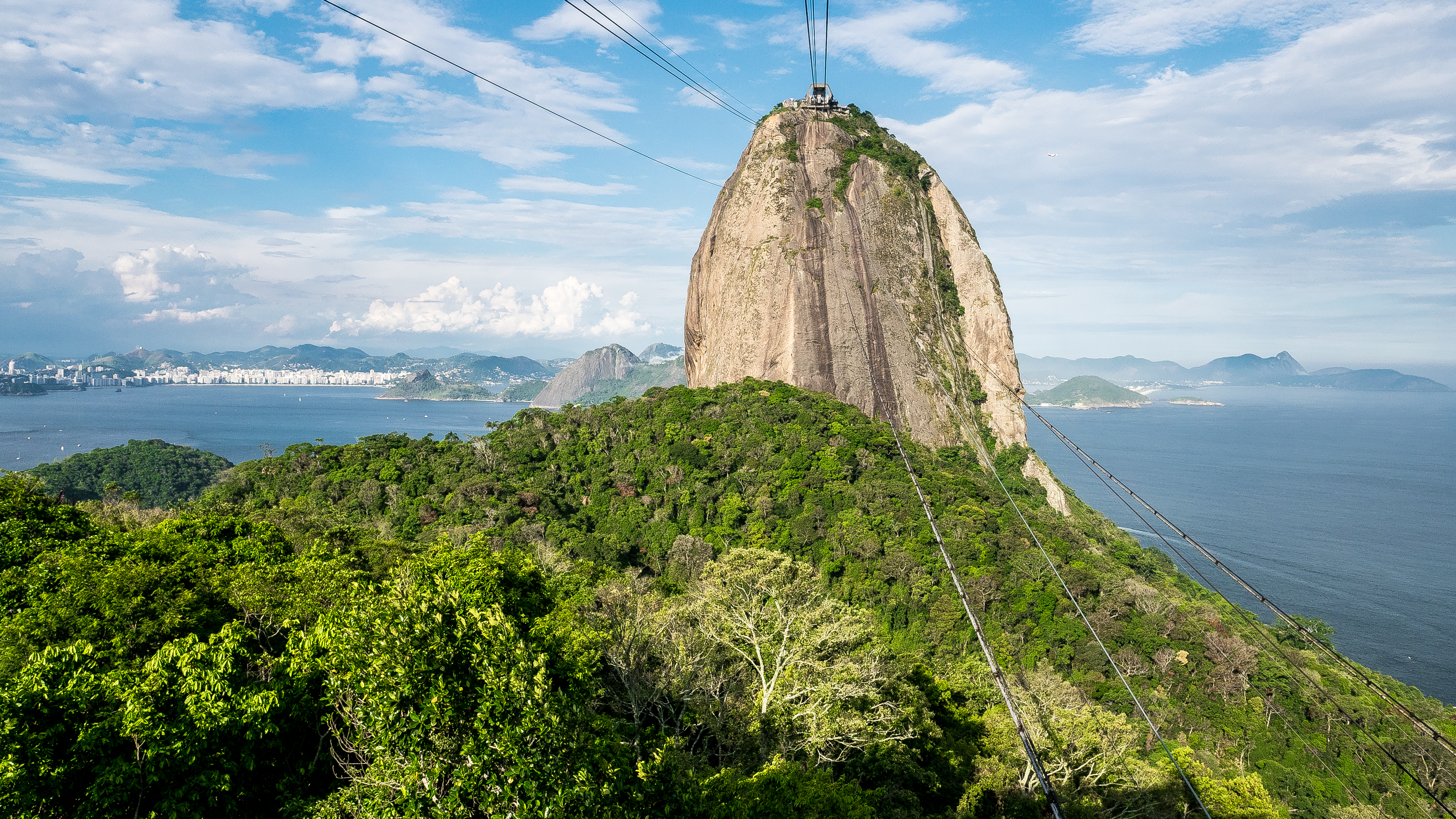
When you think of Brazil, the mental slideshow is usually instantaneous: the outstretched arms of Christ the Redeemer, the beaches of Copacabana, and the rhythmic thunder of Carnival drums.
And yes, those things are real, and they are spectacular. But reducing Brazil to just Rio de Janeiro is like visiting the United States and never leaving Times Square. This is a country of continental proportions—a place where dunes hold freshwater lagoons, where jaguars hunt caimans in the wetlands, and where the cities are concrete jungles in the most literal sense.
If you are ready to tackle the "Giant of the South," here is your guide to looking beyond the postcard.
1. The Two Titans: Rio and The Falls
You cannot skip the classics on your first trip. They are famous for a reason.
Rio de Janeiro: The "Marvelous City" lives up to its name. The geography alone—granite mountains rising vertically out of the ocean—is unlike any other city on Earth.
- The Hack: Skip the midday crowds at Christ the Redeemer. Go first thing in the morning (8:00 AM) or late afternoon. For the best sunset, head to Sugarloaf Mountain (Pão de Açúcar). Watching the city lights flicker on as the sun dips behind the mountains is a core memory waiting to happen.
- Safety: Rio is gritty. Don't wear jewelry, don't walk on the beach at night, and keep your phone in your pocket.
Iguazu Falls: Located on the border with Argentina, these falls make Niagara look like a dripping faucet. The sheer power of the "Devil’s Throat" (Garganta do Diablo) is terrifyingly beautiful.
- Pro Tip: The Brazilian side offers the best panoramic views, but the Argentine side allows you to walk right up to the edge of the falls. You need a full day for each side.
2. The Wild Alternative: The Pantanal
Everyone wants to go to the Amazon, and you should—it’s the lungs of the world. But if your goal is to see animals, go to the Pantanal.
The Amazon is dense; animals have plenty of places to hide. The Pantanal is the world’s largest tropical wetland, and it is wide open.
- The Safari: Here, you don't just hope to see wildlife; you are practically tripping over it. It is the best place in the world to spot the elusive jaguar in the wild, usually sunning itself on the riverbanks. You’ll also see capybaras (the world’s largest rodent), giant anteaters, and hyacinth macaws.
3. The Alien Landscape: Lençóis Maranhenses
If you want to see something that looks like it belongs on another planet, fly north to the state of Maranhão.
Lençóis Maranhenses National Park is a vast desert of blindingly white sand dunes. But here is the twist: during the rainy season (roughly January to June), rainwater collects in the valleys between the dunes, creating thousands of crystal-clear, turquoise lagoons.
- The Experience: You can hike over a sand dune and jump straight into a fresh-water pool. It is a surreal, visual paradox that feels like a mirage.
4. The "CPF" Trap (And How to Stay Connected)
Here is the most critical logistical tip for your trip, and it concerns your phone.
Brazil has a unique bureaucratic quirk: the CPF (Cadastro de Pessoas Físicas). This is a tax ID number that every Brazilian citizen has.
- The Problem: To buy a local SIM card at a newsstand or kiosk, you are almost always required to register it with a CPF. As a tourist, you don’t have one. While you can go to a main carrier store (like Vivo or Claro) with your passport to get around this, it involves long queues, language barriers, and paperwork.
- The Fix: To save yourself the headache, purchase an eSIM data plan before you arrive.
- Why? An eSIM bypasses the CPF requirement entirely for data. You can install it while you are still at home and connect to local 4G/5G networks the moment your plane touches down in São Paulo or Rio. It is the only way to guarantee you have immediate access to Uber (which is essential for safe transport) without spending your first two hours of vacation in a cell phone store.
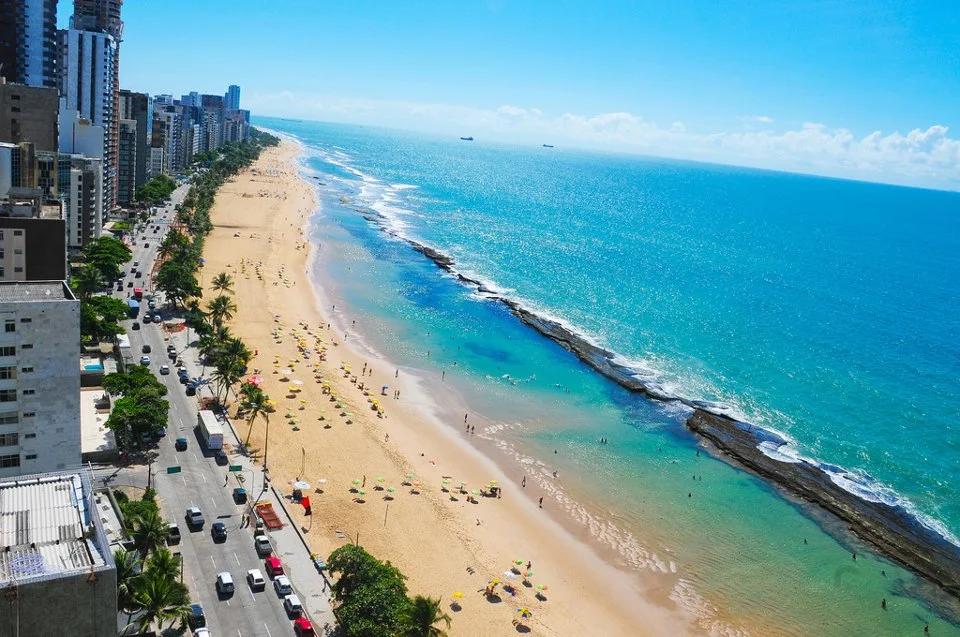
- Copacabana Beach. Source- Photo by Felipe Cardoso.
5. The Flavor of Bahia
Finally, you must taste Brazil. Head northeast to Salvador, the heart of Afro-Brazilian culture.
- The Dish: You cannot leave without trying Moqueca. It is a rich, bright orange stew made with fish or shrimp, coconut milk, coriander, and dendê (palm oil).
- The Vibe: Salvador is loud, colorful, and spiritual. It is the birthplace of Capoeira (the martial art/dance) and the heart of the Candomblé religion. Walking the cobblestone streets of the Pelourinho district feels like stepping back 300 years.
Why Go Now?
Brazil is intense. It is loud, it is chaotic, and it is unapologetically alive. It requires a bit of street smarts to navigate, but the reward is a travel experience that touches every sense. From the spray of the Iguazu Falls to the taste of an acai bowl a hot afternoon, Brazil doesn't just welcome you; it engulfs you.