
Botswana: The Africa You’ve Always Imagined
Source: Britannica
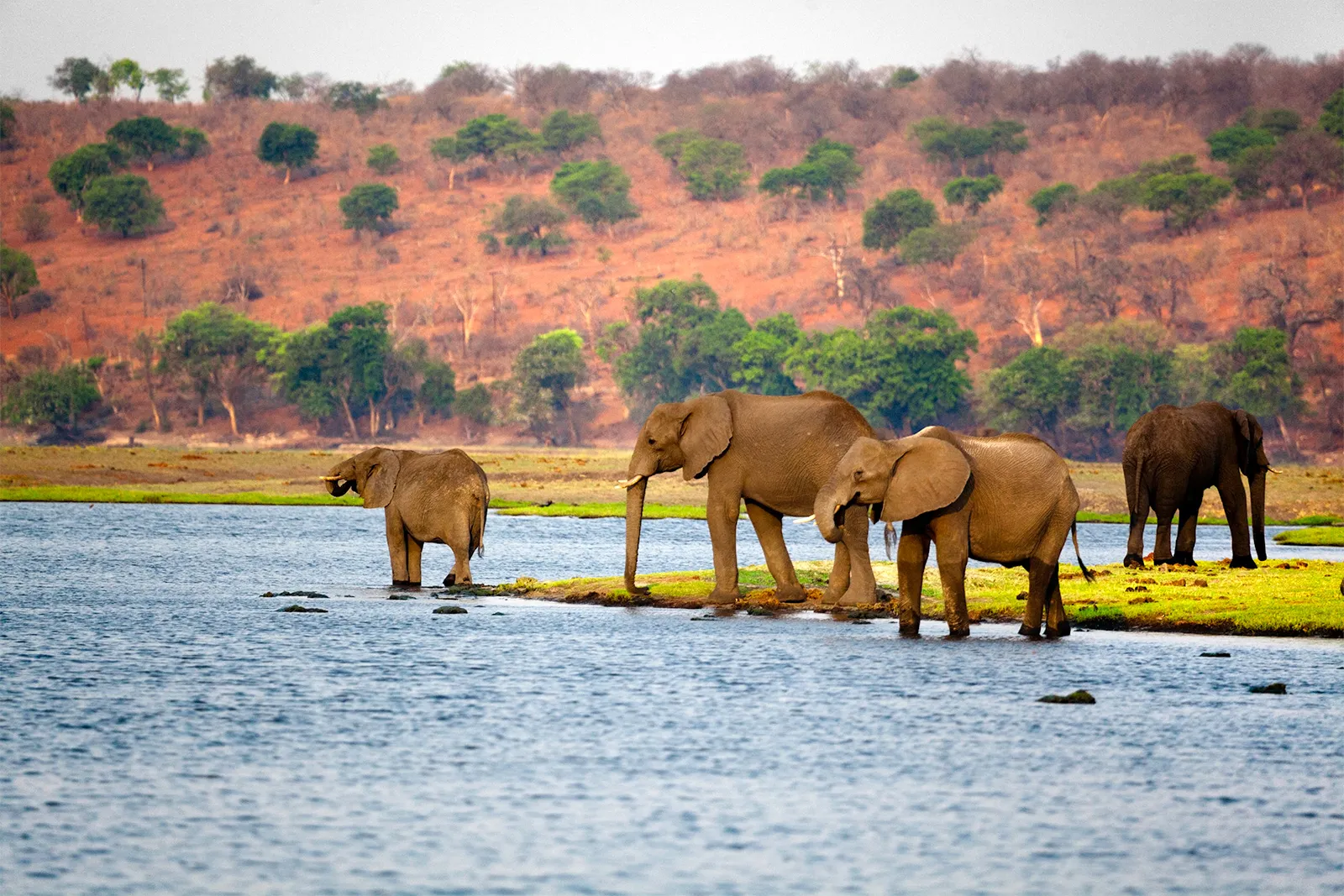
If you close your eyes and picture "Africa"—the endless horizons, the thundering herds of elephants, the orange sunsets that seem to set the sky on fire—you are likely picturing Botswana.
Unlike some of its neighbors, which have embraced mass tourism, Botswana has chosen a different path: "High value, low volume." This means fewer crowds, pristine wilderness, and an exclusivity that makes it one of the most coveted safari destinations on the planet. From the waterlogged miracle of the Okavango Delta to the lunar emptiness of the salt pans, this is a country that forces you to whisper, simply because you don’t want to break the spell.
If you are ready for the ultimate wild escape, here is your guide to the jewel of Southern Africa.
1. The Okavango Delta: Nature’s Masterpiece
The Okavango is a geographical anomaly. It is a river that never finds the sea, emptying instead into the sands of the Kalahari Desert to create a massive, life-giving oasis visible from space.
- The Experience: You don’t just drive through the Delta; you glide through it. The quintessential activity here is a ride in a mokoro—a traditional dugout canoe poling quietly through shallow, reed-lined channels.
- The Wildlife: Because the water is permanent in many areas, the game viewing is year-round. Expect to see red lechwe splashing through the water, lions swimming between islands, and unparalleled birdwatching.
- Where to Stay: Accommodation here ranges from "wild camping" on islands to some of the most luxurious lodges in the world (like Mombo Camp or Xigera).
2. Chobe National Park: The Land of Giants
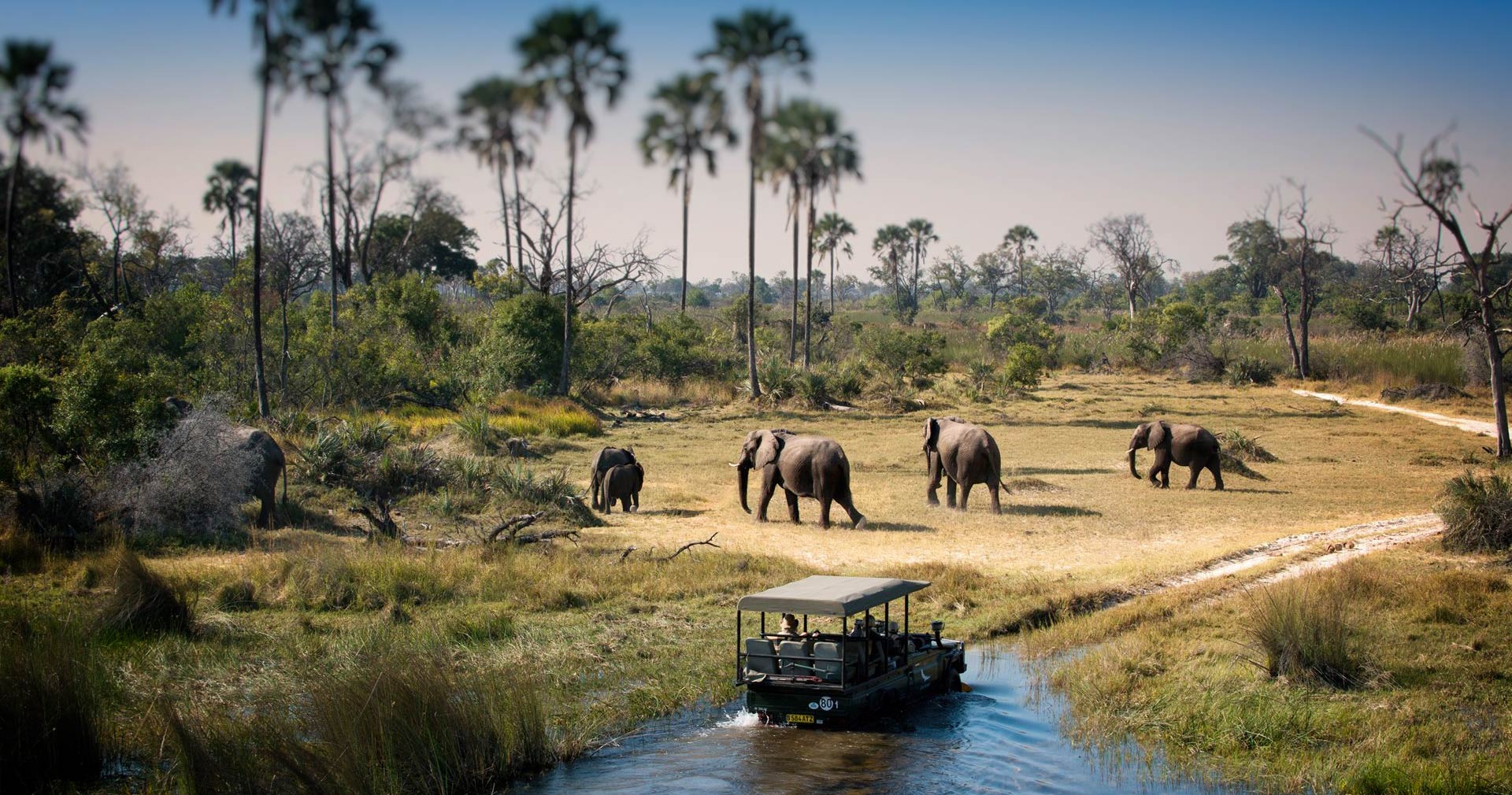
If you like elephants, Chobe is your holy grail. This park has the highest concentration of elephants in Africa—estimates range up to 120,000.
- The River Cruise: While game drives are standard, the magic of Chobe happens on the water. Taking a sunset boat cruise down the Chobe River allows you to drift within feet of elephants bathing, hippos yawning, and crocodiles sunning themselves on the banks. The perspective from the water, looking up at the wildlife, is completely different from looking down from a jeep.
- Savuti: For a rawer experience, head south to the Savuti region of the park. It is famous for its "lion vs. elephant" interactions and the unpredictable Savuti Channel, which flows and dries up mysteriously over decades.
Source- Chobe National Park
3. Makgadikgadi Pans: The Great Nothingness
Leave the lush north and head south, and the world turns white. The Makgadikgadi Pans are the remains of a super-lake that dried up thousands of years ago, leaving behind salt flats the size of Portugal.
- The Meerkats: This is one of the few places on earth where you can get up close with wild meerkats. Habituation programs allow you to sit on the ground while these curious creatures use your head as a lookout post to scan for eagles.
- The Migration: In the wet season (Nov-March), this desolate landscape transforms into lush grasslands, triggering the second-largest zebra migration in Africa.
- Quad Biking: In the dry season, you can ride quad bikes across the pans, sleeping out under the stars in a place so quiet you can hear the blood pumping in your ears.
4. Practical Tips for the Bush
The "Technological" Bush Botswana is wild. You will often be miles away from the nearest paved road, let alone a Wi-Fi router. While the main lodges have internet, it is often slow, satellite-based, and restricted to the main lounge.
- The Roaming Trap: Many travelers assume their "global" roaming plan will cover them here. Be warned: Botswana is often excluded from standard packages, or the data speeds are throttled to unusable 2G levels.
- The Fix: To ensure you have a lifeline, purchase and install an eSIM data plan before you leave home.
- Why? An eSIM connects you directly to local networks (like Mascom or Orange) which have surprisingly good coverage in gateway towns like Maun and Kasane. It allows you to download offline maps, identify birds via apps, or coordinate with your transfer pilot without paying $10 per megabyte in roaming fees. It is a modern safety essential for a remote destination.
When to Go
- Peak Season (May–Oct): This is the dry winter. The grass is low (good for spotting leopards), animals congregate around waterholes, and the temperature is mild. It is also the most expensive time.
- Green Season (Nov–April): The rains arrive. The scenery is emerald green, baby animals are born, and migrant birds arrive. Prices drop significantly, but some roads become muddy and impassable.
Money Matters
- Currency: The Botswana Pula (BWP). "Pula" literally means "Rain"—because in a desert country, rain is as valuable as money.
- Cash: US Dollars are widely accepted for tips and at lodges, but for supermarkets or gas stations in Maun, you will need Pula.
The Verdict
Botswana is not a budget destination, but it is a high-value one. Every dollar you spend goes into a conservation model that has successfully protected one of the last great wildernesses on earth. It is a place where nature is still in charge, and we are just visitors.