
Belgium: Small Country, Massive Flavor
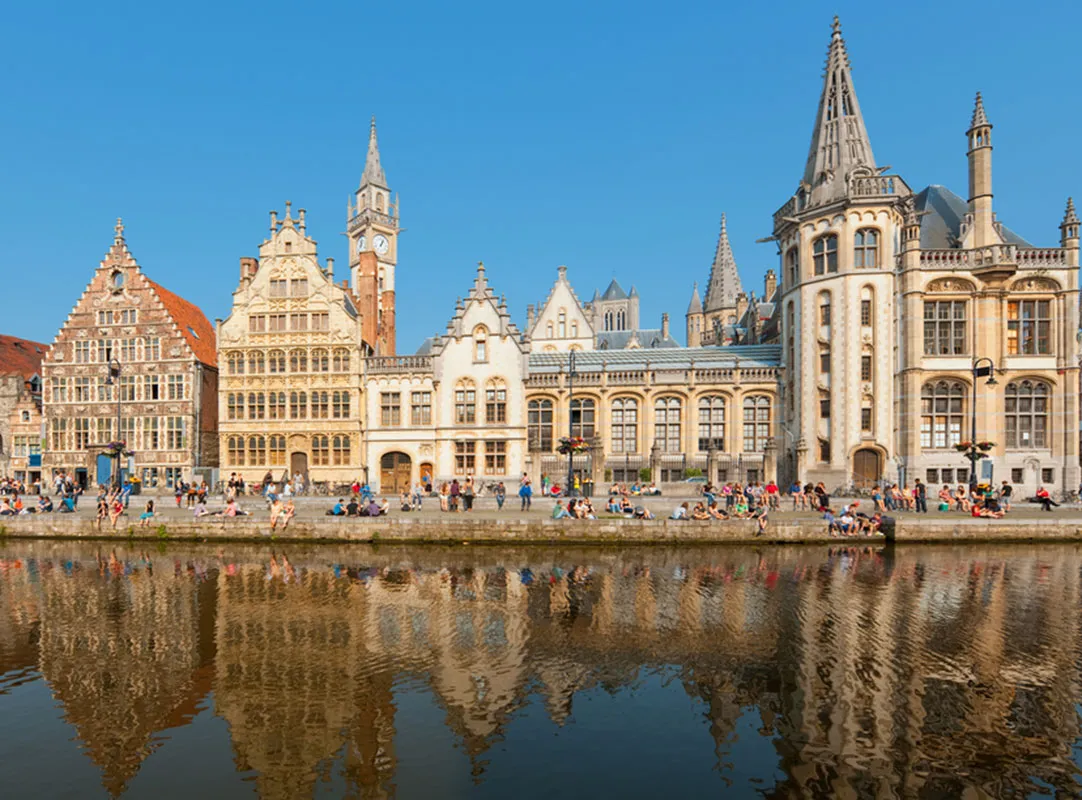
Source: Britannica
Belgium is often treated as a stopover. It is the place the Eurostar passes through on the way to Amsterdam, or the headquarters of the EU where bureaucrats have meetings. But to dismiss Belgium as a "flyover" country is a mistake.
Packed into a space the size of Maryland is a density of culture, history, and gastronomy that rivals any of its larger neighbors. It is a land of medieval towns that look like film sets, art that redefined the Renaissance, and a food scene that goes far beyond just waffles.
If you are ready to explore the crossroads of Europe, here is your guide to the Kingdom of Belgium.
1. The "Big Three" Cities
Brussels: The Capital of Contrasts Brussels is messy, complex, and beautiful. It is split between the French and Dutch languages, and between ancient history and modern bureaucracy.
- The Grand Place: This is arguably the most beautiful square in Europe. Surrounded by opulent 17th-century guildhalls and the towering Town Hall, it is the city's crown jewel.
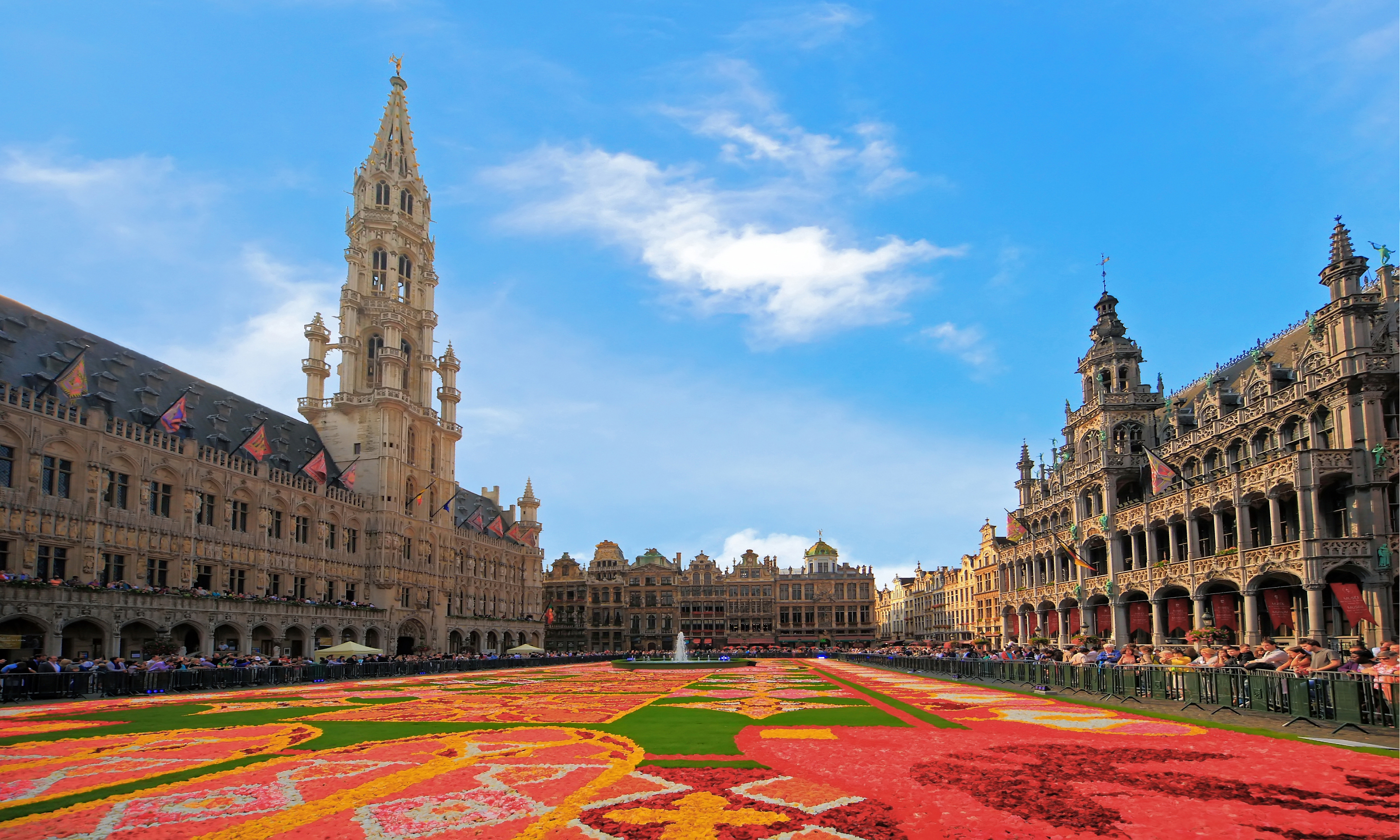
Grand Palace, Brussels. Source- Francisco Conde Sánchez, CC BY-SA 3.0, via Wikimedia Commons
- The Comics: Belgium is the home of Tintin and the Smurfs. Walk the city streets to find huge comic strip murals painted on the sides of buildings. It’s a free open-air museum.
- The Surrealism: Visit the Magritte Museum to understand the Belgian mindset. This is a country that doesn't take itself too seriously (this is the land that made a peeing statue, Manneken Pis, its national icon, after all).
Bruges: The Fairytale Just an hour from Brussels, Bruges is almost too pretty. Its medieval center is a UNESCO World Heritage site, untouched by war and time.
- The Canals: Take a boat tour. It sounds cliché, but seeing the weeping willows and brick bridges from the water is essential.
- The Belfry: Climb the 366 steps for a view that stretches to the North Sea. Warning: The stairs are steep and narrow.
Ghent: The Cool Sibling If Bruges is an open-air museum, Ghent is a living city. It has the same medieval architecture but is filled with university students, street art, and gritty energy.
- Gravensteen Castle: A massive fortress right in the middle of the city. It looks like it was dropped there by a time traveler.
- The Mystic Lamb: Inside St. Bavo’s Cathedral lies the Ghent Altarpiece by the Van Eyck brothers. It is one of the most significant (and most stolen) paintings in art history.
2. The Holy Trinity of Food
You don’t eat to live in Belgium; you live to eat.
Fries (Frites) Do not call them "French" fries here. Belgians invented them, and they perfected them.
- The Secret: They are double-fried in beef tallow (fat), making them crispy on the outside and fluffy on the inside.
- How to eat: Go to a Frituur (fry shack). Order a "mitraillette" if you are brave—it’s a baguette stuffed with meat, fries, and sauce. And always, always get mayonnaise, not ketchup.
Chocolate Belgian chocolate is regulated by law to ensure quality.
- Pralines: Invented in Brussels in 1912, these are hard chocolate shells with soft fillings.
- Where to buy: Skip the tourist shops near Manneken Pis. Look for Pierre Marcolini or Neuhaus for the high-end stuff, or Leonidas for the local favorite.
Waffles There are two kinds, and you need to know the difference.
- Brussels Waffle: Rectangular, light, airy, and crispy. Eaten with powdered sugar.
- Liège Waffle: Round, dense, and chewy. It has chunks of pearl sugar baked inside that caramelize when cooked. It is sticky, sweet, and best eaten plain while walking down the street.
3. Practical Tips for the Road
The Language Barrier Belgium has three official languages. In the north (Flanders), they speak Dutch (Flemish). In the south (Wallonia), they speak French. In a small sliver of the east, they speak German.
- Tip: In Brussels, people speak both French and Dutch, but English is widely understood. However, be careful not to address a Flemish person in French if you can avoid it—it’s a sensitive cultural point. Stick to English if you aren't sure.
Getting Around The train system (SNCB/NMBS) is incredible. You can get from Brussels to Ghent in 35 minutes, or to Antwerp in 40 minutes. You rarely need to book in advance unless you are crossing international borders.
Staying Connected While the trains are easy, deciphering the schedules or translating a menu from Flemish to English requires a constant connection.
- The Roaming Solution: For travelers from outside the EU, roaming fees can be steep. The most efficient way to handle this is to purchase an eSIM data plan before you leave home. This allows you to tap into local networks (like Proximus or Orange) the moment you land, giving you instant access to Google Maps for finding that hidden fry shack without worrying about a massive phone bill.
When to Go Belgium is famous for its grey skies.
- Best Bet: Late Spring (May/June) or early Autumn (September).
- Christmas: If you don't mind the cold, the Christmas markets in Brussels and Bruges are magical, smelling of warm waffles.
Why Go Now?
Belgium is the underdog of Western Europe. It doesn't have the Eiffel Tower or the Colosseum, but it has a quiet confidence. It’s a place where you can sit in a 500-year-old cafe, watching the world go by. It’s unpretentious, delicious, and deeply memorable.