
Austria: Where Imperial Grandeur Meets Alpine Magic
Source: Britannica
Austria is a country that feels like it was designed by a romantic painter. It is a place where jagged snow-capped peaks give way to emerald green valleys, and where cities are less like urban sprawls and more like open-air museums of imperial history.
From the coffee houses of Vienna to the silent, glassy lakes of the Salzkammergut, Austria offers a travel experience that is both incredibly refined and wildly rugged. Whether you are here for the Mozart or the mountains, the Schnitzel or the skiing, this central European gem delivers on every promise.
Here is your essential guide to navigating the land of the Habsburgs.
1. Vienna: The Capital of Dreams
Your journey begins in Vienna (Wien), a city that wears its history with an effortless elegance. For centuries, this was the center of the powerful Habsburg Empire, and the grandeur is still visible on every corner.
- The Coffee House Culture: In Vienna, coffee is not a quick caffeine fix; it is a ritual. Visit the legendary Café Central or Café Sacher. Order a Melange (similar to a cappuccino) and a slice of Sachertorte (chocolate apricot cake). You can sit for hours reading or people-watching; it’s culturally expected.
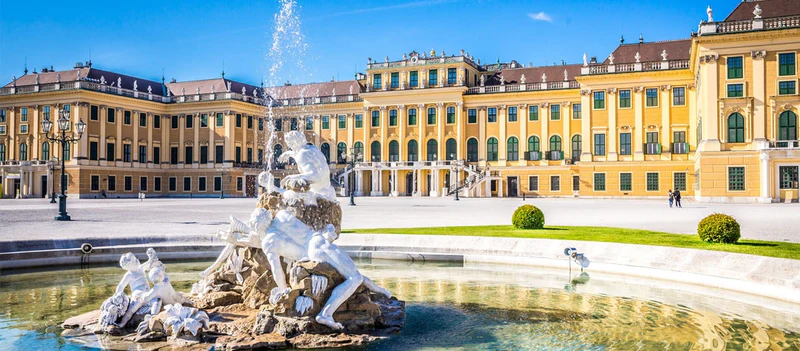
- Schönbrunn Palace: The former summer residence of the Habsburgs is a baroque masterpiece. While the 1,441-room palace is stunning, the vast gardens and the Gloriette on the hill offer the best views of the city.
- St. Stephen’s Cathedral: The gothic spire of the "Steffl" dominates the skyline. Climbing the south tower offers a workout and a breathtaking view of the unique tiled roof.
2. Salzburg: The Stage of the World
A three-hour train ride west takes you to Salzburg, the birthplace of Mozart and the setting for The Sound of Music.
- Hohensalzburg Fortress: Perched on a cliff high above the baroque towers of the old town, this is one of the largest fully preserved medieval castles in Europe. The funicular ride up is quick, but the walk down offers charming views of the city’s domes.
- Getreidegasse: This narrow shopping street is famous for its intricate wrought-iron guild signs hanging above every shop door. It’s also where you’ll find Mozart’s Birthplace, now a museum.
- Mirabell Gardens: Even if you aren't a fan of musicals, these manicured gardens are a perfect spot for a photo, framing the fortress in the background.
3. Hallstatt: The Postcard Village
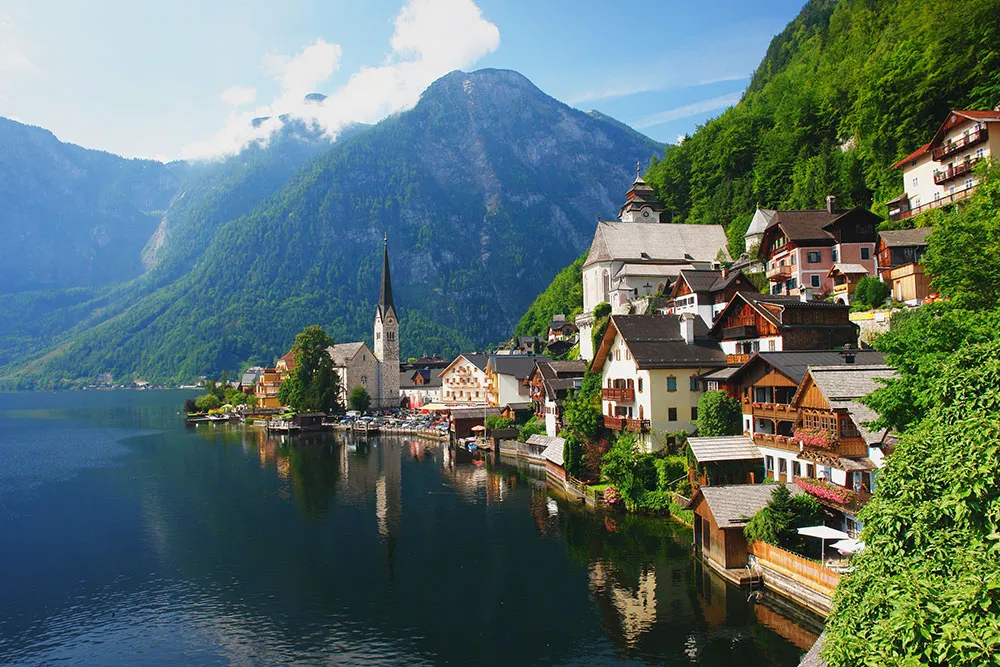
You have likely seen photos of Hallstatt—a tiny village squeezed between a towering mountain and a dark, glassy lake. It is arguably the most photographed village in Austria.
- The Reality: It is incredibly beautiful, but it is also incredibly popular. To truly enjoy it, stay overnight. The day-trippers leave by late afternoon, and the village returns to a magical silence in the evening.
- The Salt Mine: Take the funicular up to the world's oldest salt mine (Salzwelten). The tour includes sliding down wooden miners' slides, which is surprisingly fun for adults.
4. Innsbruck: The Capital of the Alps
If you want serious mountains, head to Innsbruck. It is the only major city in the world where you can take a cable car from the city center and be at 2,000 meters in 20 minutes.
- The Golden Roof: The city’s landmark is a balcony covered in 2,657 fire-gilded copper tiles, built for Emperor Maximilian I around 1500.
- Nordkette: Take the funicular designed by Zaha Hadid up to the Seegrube. In winter, people ski here; in summer, they hike. The view down into the city is dizzying.
5. Practical Tips for the Road
The Train System (ÖBB) Austria has one of the best rail networks in the world. The ÖBB trains are clean, punctual, and offer scenic views that are worth the ticket price alone. Book your tickets in advance using the ÖBB app to save significantly.
Staying Connected Navigating the tram lines in Vienna, checking the live schedule for the Hallstatt ferry, or translating a menu in a rural Tyrolean inn requires reliable data.
- The Modern Solution: Relying on hotel Wi-Fi limits your freedom, and roaming charges can be steep. The most efficient way to stay connected is to purchase an eSIM data plan before you travel. This digital solution allows you to access local 4G/5G networks immediately upon arrival without swapping out your physical SIM card. It’s a simple, affordable way to ensure you always have a map and a translator in your pocket.
Cash is Still Common While credit cards are widely accepted in Vienna, smaller towns, mountain huts (Hütten), and traditional cafes often prefer or require cash (Euros). Always carry some bills for small purchases.
Sundays are Quiet Austria takes its day of rest seriously. Most shops, supermarkets, and pharmacies are closed on Sundays. Restaurants and museums remain open, but don't plan on doing any grocery shopping or retail therapy on the seventh day.
Austria is a country that invites you to slow down. It asks you to savor the coffee, listen to the music, and breathe in the crisp mountain air. It is a place where the past is cherished, but the present is enjoyed to the fullest.