
Aruba: The Caribbean Island That Breaks the Rules
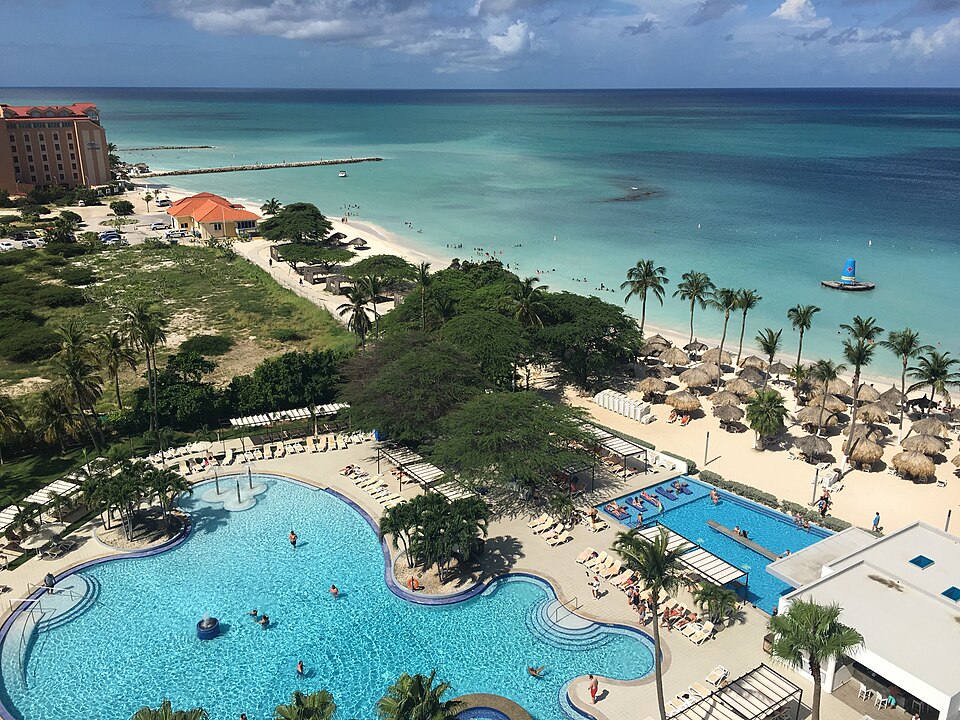
Close your eyes and picture a Caribbean island. You probably see lush rainforests, humid air, and daily afternoon showers. Now open them and look at Aruba. You’ll see forests of tall cacti, hear the constant rush of trade winds, and feel a dry heat that feels more like Arizona than the tropics.
Aruba is an anomaly. Located just 15 miles off the coast of Venezuela, it sits outside the hurricane belt, boasting more sunny days than almost anywhere else in the Caribbean. But beyond the perfect weather, this Dutch Caribbean island offers a fascinating mix of rugged adventure and refined luxury.
If you are looking for a beach vacation that offers more than just a beach chair, here is your guide to exploring Aruba.
1. A Tale of Two Beaches: Eagle and Palm
The west coast of Aruba is home to two of the most famous beaches in the world, but they offer completely different vibes.
- Eagle Beach: This is the postcard. Famous for its blindingly white, soft sand and the iconic, twisted Fofoti trees (often mistaken for Divi-Divi trees), Eagle Beach is wide, quiet, and low-rise. It is the place to go for tranquility and sunset walks.
- Palm Beach: Just north of Eagle, Palm Beach is the heartbeat of the island. This is the "High Rise" district, lined with massive resorts, piers, and snack bars. The water here is calm as a bathtub, making it perfect for paddleboarding or floating with a cocktail.
2. The Wild Side: Arikok National Park
Rent a 4x4 and head east. Aruba is small, but nearly 20% of the island is protected within Arikok National Park. The landscape here shifts dramatically from white sand to jagged volcanic stone and desert flora.
- The Natural Pool (Conchi): The park's crown jewel. It is a hidden swimming hole protected from the crashing ocean waves by a circle of volcanic rocks. Getting there requires a bumpy off-road ride or a long hike, but swimming in this "secret" turquoise pool while waves smash against the walls is unforgettable.
- Quadirikiri Cave: Famous for its two chambers where sunlight streams through holes in the limestone ceiling, creating a natural spotlight effect that is a photographer’s dream.
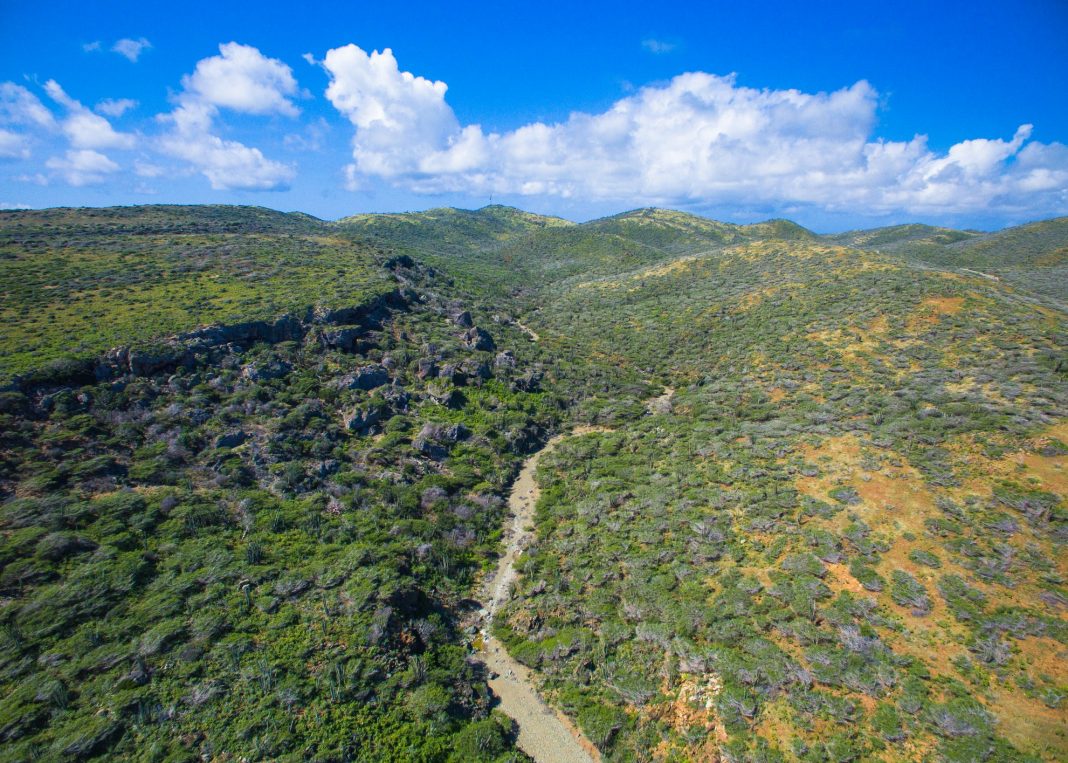
Arikok National Park. Source- Aruba Today
3. San Nicolas: The City of Art
For years, tourists rarely left the resort strip to visit San Nicolas, the "Sunrise City" on the southern tip. That has changed. Thanks to the Aruba Art Fair, the town has transformed into an open-air gallery.
- The Murals: The main streets are covered in massive, vibrant murals painted by international and local artists. It is a stark, colorful contrast to the colonial architecture of the capital, Oranjestad.
- Charlie’s: A local institution since 1941. The walls and ceiling are covered in decades of memorabilia, from license plates to scuba gear left behind by visitors.
4. A Melting Pot on a Plate
Aruban cuisine is a delicious result of its history—a blend of Dutch, South American, and Caribbean influences.
- Keshi Yena: You cannot leave without trying the national dish. It is a large ball of Edam or Gouda cheese stuffed with spiced meat (usually chicken or beef), raisins, cashews, and olives, then baked until gooey. It is rich, savory, and unique.
- Fresh Catch: Head to Zeerovers in Savaneta. It is a no-frills dockside shack where you order fresh snapper or shrimp by the pound, watch them fry it, and eat it out of a basket overlooking the water. It is cash only and always packed with locals.
5. Practical Tips for the Road
The "Aruba Wind" The trade winds here are constant and strong. This is a blessing because it keeps you cool even when it is 30°C (86°F). However, it is also dangerous: the breeze tricks you into thinking you aren't burning. Apply sunscreen religiously, even if you don't feel the heat.
Staying Connected While the island is small (only 19 miles long), navigating the dirt roads of Arikok or finding that hidden restaurant in Savaneta requires a reliable connection. Hotel Wi-Fi is great, but once you leave the resort, you are on your own.
- The Smart Move: Relying on roaming plans from back home can be unexpectedly expensive in the Caribbean. A smarter, budget-friendly option is to download an eSIM profile before you fly. This gives you immediate access to local data networks for maps and translation apps without the need to hunt for a physical SIM card shop when you land.
Currency & Cash The official currency is the Aruban Florin (AWG), but the US Dollar is accepted everywhere.
- Tip: You will likely get change in Florins. Use them for small tips or souvenirs, as they are hard to exchange once you leave the island.
Aruba is easy to love. It is safe, friendly, and stunningly beautiful. Whether you are exploring ancient caves, eating fried snapper on a dock, or just watching the sun dip below the horizon at Eagle Beach, you’ll quickly understand why repeat visitors call it their "happy place."