
American Samoa: The Most Beautiful U.S. National Park You’ve Never Heard Of
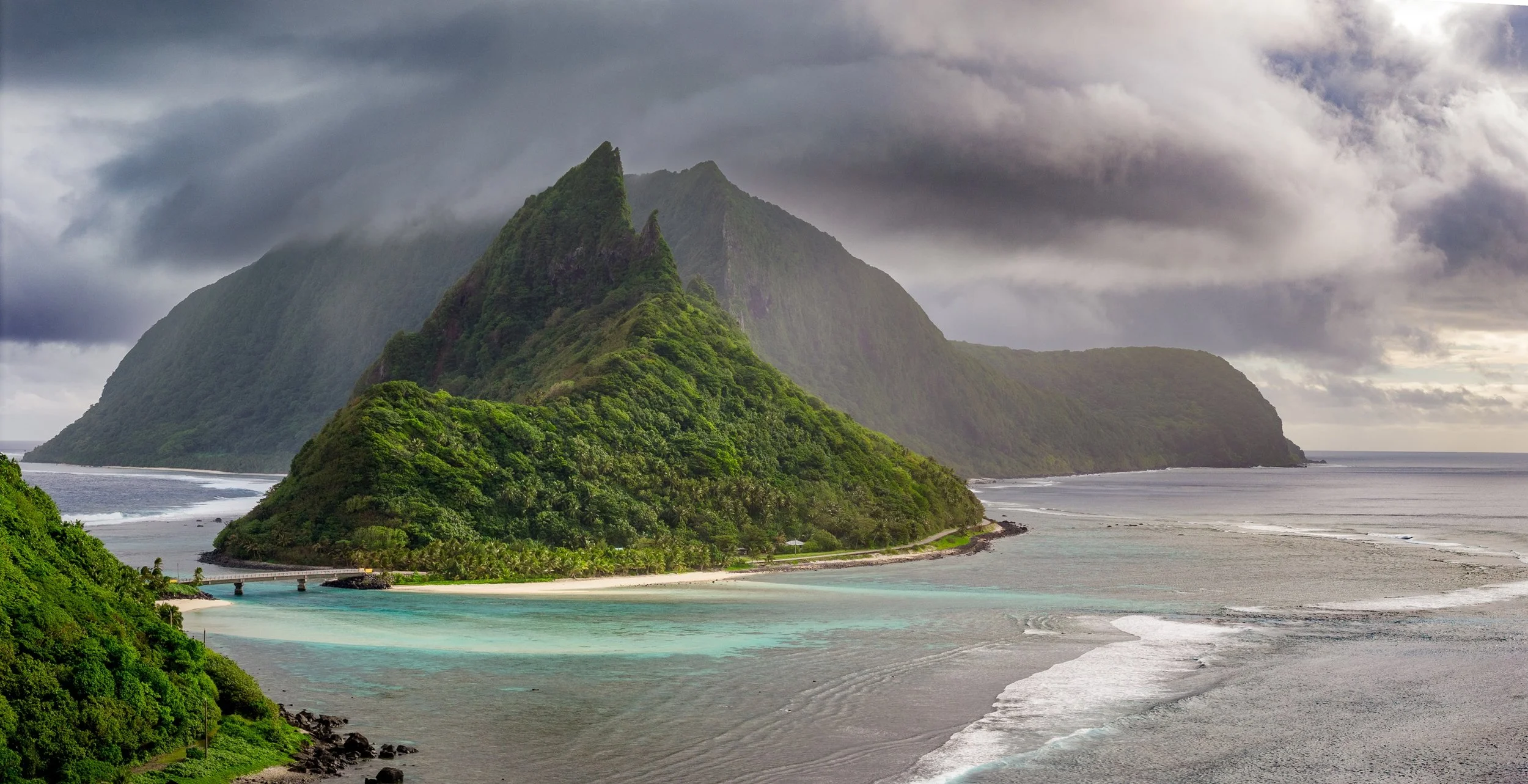
Source: Visit American Samoa
Imagine a place where you use the U.S. dollar, plug your phone into a standard American outlet, and are protected by U.S. laws—but you are 2,500 miles south of Hawaii, surrounded by jagged emerald peaks, flying foxes, and a culture that has remained largely unchanged for 3,000 years.
Welcome to American Samoa. It is the only U.S. territory south of the equator, and undoubtedly the most underrated destination in the American portfolio. It is not a place of high-rise resorts or poolside margaritas; it is raw, humid, and impossibly green.
If you are ready to trade the tourist crowds for a true adventure, here is your guide to the edge of the map.
1. Getting There: The Long Haul
American Samoa is not easy to reach, which is exactly why it remains unspoiled.
- The Route: Unless you are island-hopping from nearby Samoa (the independent country), your only option is the twice-weekly Hawaiian Airlines flight from Honolulu to Pago Pago (pronounced Pango Pango). The flight takes about 5.5 hours.
- The Entry: Even though this is U.S. soil, it controls its own borders. U.S. citizens must bring a valid passport (a driver’s license is not enough). You do not need a visa, but you do need proof of a return ticket.
2. The Main Island: Tutuila
You will land on Tutuila, a slender, mountainous island that looks like the spine of a sleeping dragon rising from the sea.
- The Harbor: Pago Pago Harbor is one of the deepest and most dramatic natural harbors in the world, formed by a collapsed volcanic caldera. The Rainmaker Mountain (Mt. Pioa) looms over it, trapping clouds and ensuring the island stays lush.
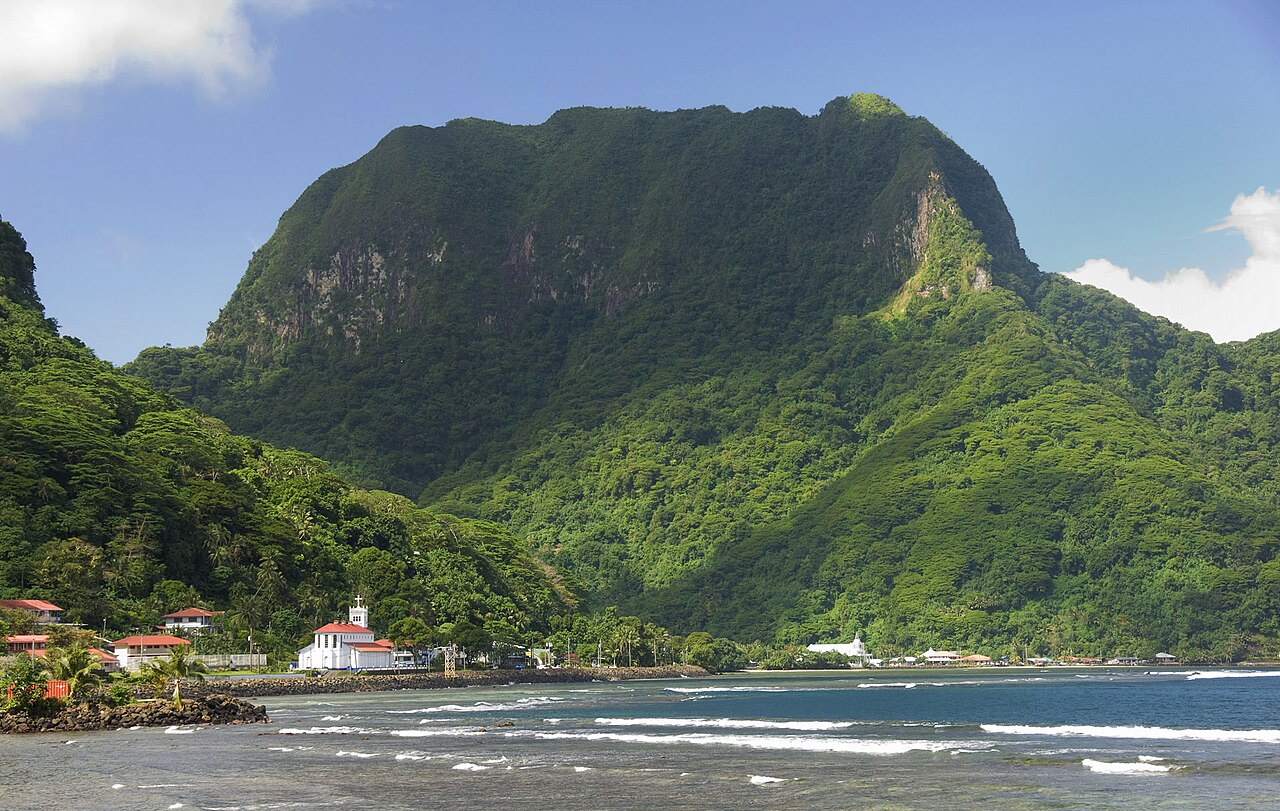
Mount Pioa, Pago Pago Harbor. Source- NPS, Public domain, via Wikimedia Commons
- National Park of American Samoa: This is the main draw. It is one of the few U.S. National Parks that protects a tropical rainforest. Hike the Mount Alava Trail for a view that looks like Jurassic Park come to life. Keep your eyes up—you aren’t looking for bears here, but for Fruit Bats (flying foxes) with wingspans of up to three feet. They are harmless, diurnal, and vital to the ecosystem.
3. The "Domestic" Data Trap (And How to Fix It)
Here is the most common mistake travelers make: assuming that because you are in a U.S. territory, your domestic cell phone plan will work just like it does in California or New York.
- The Reality: Most major U.S. carriers (Verizon, T-Mobile, AT&T) treat American Samoa as an "international" destination. If you turn on your data without checking, you could be hit with roaming fees of $10 per day or exorbitant pay-per-megabyte rates.
- The Fix: To save yourself from a bill shock, purchase an eSIM data plan before you board your flight. Modern eSIMs allow you to connect to local networks (like BlueSky) immediately upon landing. You will need that data to navigate the winding coastal roads and check opening times for the National Park visitor center, all without paying "international" prices on domestic soil.
4. The Manu’a Islands: The Reward for the Determined
If you have the time and patience, leave the main island and head to the Manu’a group (Ta’u, Ofu, and Olosega).
- Ofu Beach: This is frequently cited as one of the best beaches in the world, yet you will likely be the only person on it. The sand is blindingly white, the water is neon blue, and the jagged peaks rise straight out of the lagoon.
- The Logistics: Getting here is an adventure in itself, often involving small, irregular flights or a long ferry ride. But for snorkeling in pristine coral gardens untouched by mass tourism, it is worth every headache.
5. Cultural Etiquette: Fa'a Samoa
American Samoa is deeply traditional, governed by Fa'a Samoa (The Samoan Way). It is a communal culture where family, church, and respect for elders are paramount.
- Sunday is Sacred: The island effectively shuts down on Sundays. Shops close, the streets empty, and the sound of church choirs fills the air. Do not plan strenuous activities or expect to go shopping. Relax, attend a service (visitors are welcomed warmly), and respect the quiet.
- Modesty: While it is a tropical island, walking around villages in a bikini or shirtless is considered disrespectful. Swimwear is for the beach. When in town, cover up with a t-shirt and shorts or a traditional lavalava (sarong).
6. Eat Local: The Umu
Forget Yelp reviews; just follow the smoke.
- Tisa’s Barefoot Bar: A legendary spot in Alega. Tisa and her team host a traditional Umu feast (earth oven cooking) every week. You’ll eat breadfruit, palusami (taro leaves baked with coconut cream), and fresh fish on banana leaves right on the beach. It is arguably the best meal in the South Pacific.
- $2 Beach: Yes, that is the name (though inflation might have bumped the price slightly). It’s a gorgeous private beach where you can pay a small entry fee to swim and buy BBQ from the local family who owns it.
Why Go Now?
American Samoa is not for the high-maintenance traveler. It is humid, rainy, and sleepy. But it is also one of the last places in the U.S. where you can feel truly disconnected from the modern world. It is a place where strangers wave at you from the road, where the jungle is still winning, and where the "American" experience feels entirely, beautifully foreign.