
Algeria: The Sleeping Giant of North Africa
Source: US Department of State
For decades, Algeria remained a blank spot on the map for many travelers—a vast, mysterious land overshadowed by its neighbors, Morocco and Tunisia. But the "sleeping giant" of North Africa is waking up. As the largest country on the African continent, Algeria offers a travel experience that is raw, unfiltered, and breathtakingly diverse.
From the snow-capped peaks of the Atlas Mountains to the endless ochre sands of the Sahara, and from the Roman ruins that rival Italy’s to the French colonial architecture of its cities, Algeria is not just a destination; it is a revelation.
If you are looking for an adventure that feels like true exploration, here is why Algeria should be your next trip—and how to navigate it.
Algiers: The White City
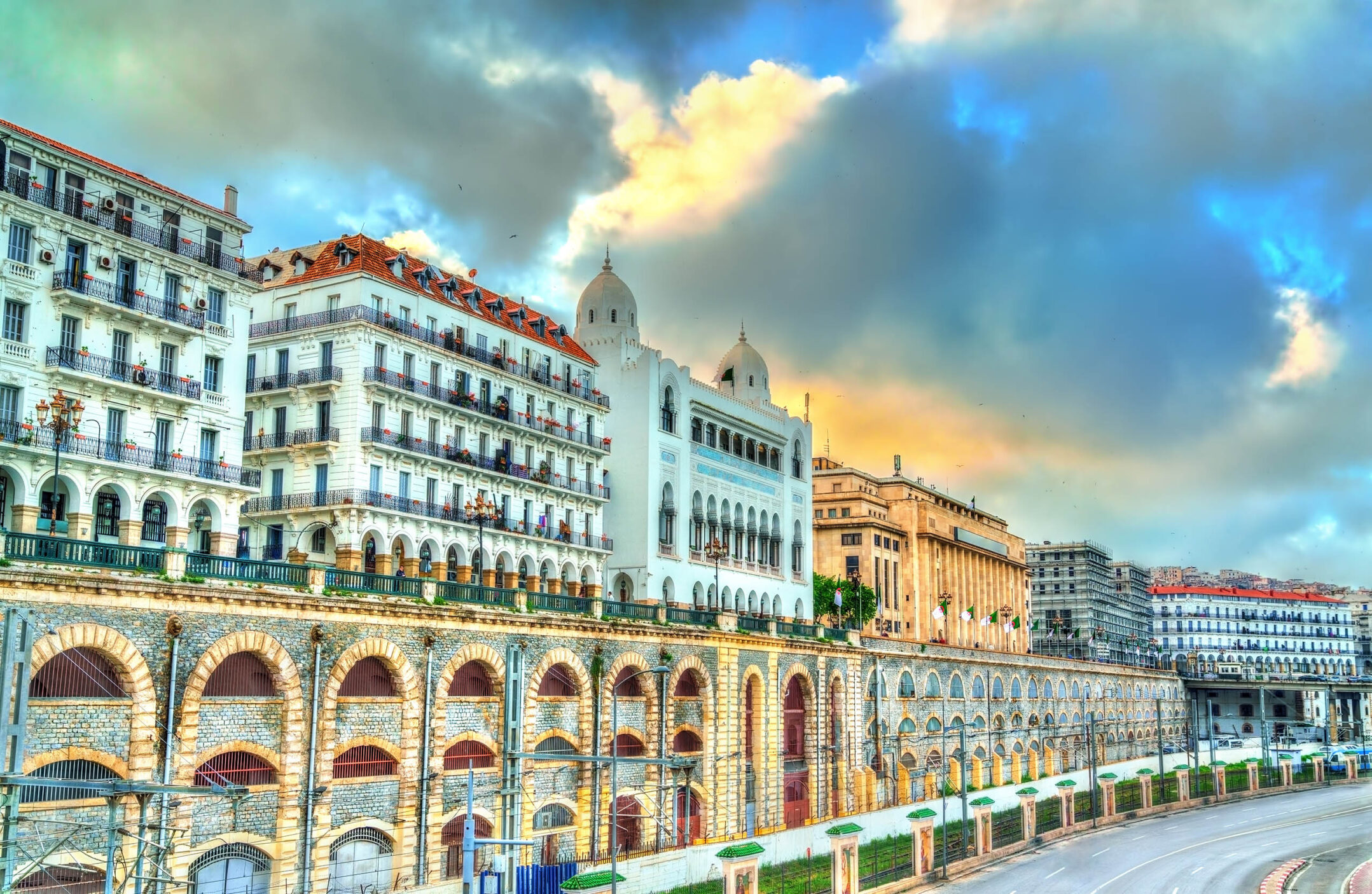
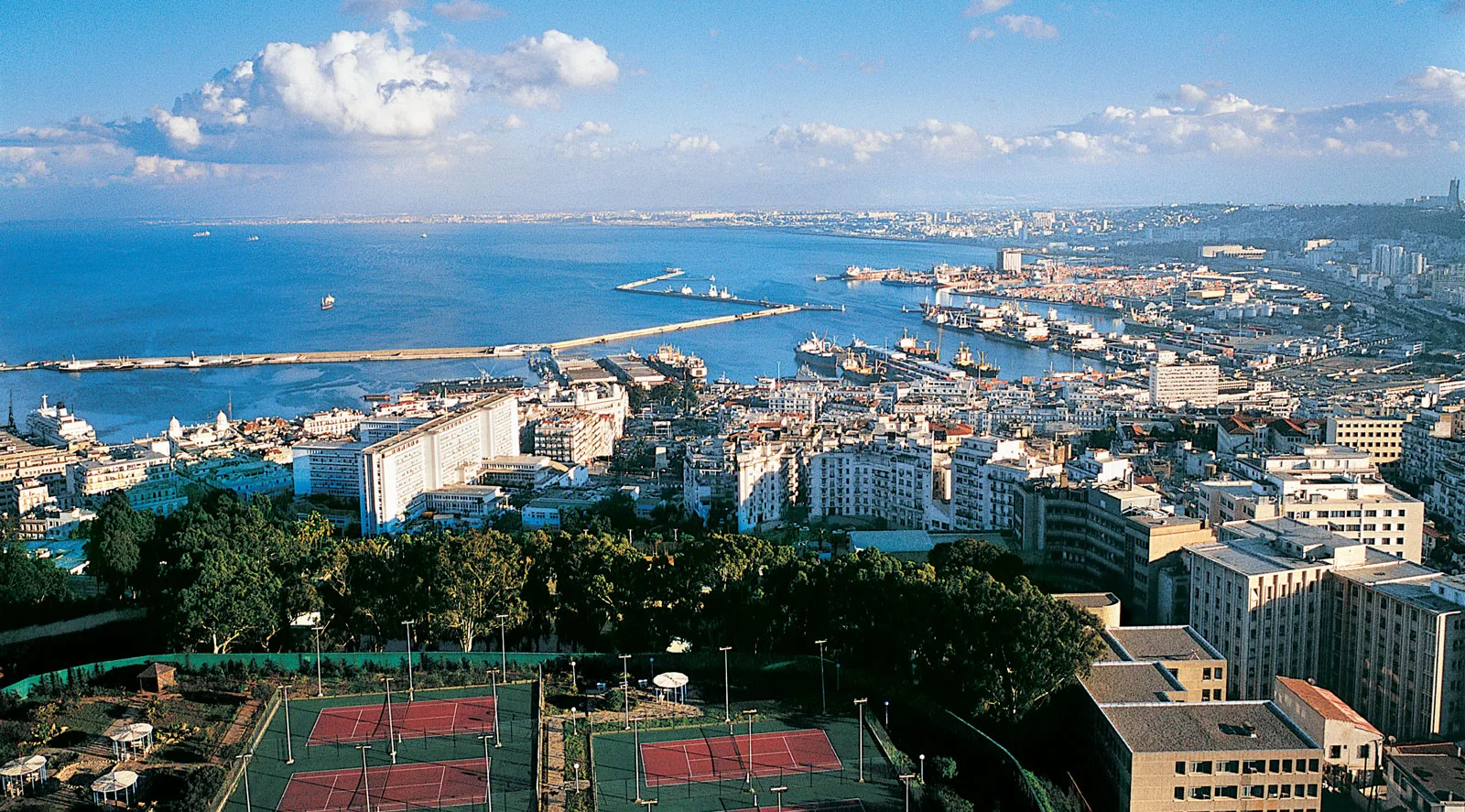
Your journey will likely begin in the capital, Algiers (Algiers la Blanche). The city is a dazzling amphitheater of white buildings cascading down to the Mediterranean blue.
- The Casbah: The heart of the city is the UNESCO-listed Casbah. This ancient citadel is a labyrinth of narrow, winding streets, Ottoman palaces, and hidden craft shops. It is beautiful, but it can be disorienting.
- Notre Dame d'Afrique: Perched on a cliff overlooking the bay, this neo-Byzantine basilica is a symbol of the city’s complex history, inscribed with the phrase: "Our Lady of Africa, pray for us and for the Muslims."
- ** The Martyr’s Memorial:** Dominating the skyline, this massive concrete monument (Maqam Echahid) honors the heroes of the Algerian War of Independence. It offers the best panoramic views of the city.
Constantine: The City of Bridges
If Algiers is the political capital, Constantine is the dramatic soul of the country. Built on a massive plateau severed by a deep gorge, the city is connected by a series of suspension bridges that look like they belong in a fantasy novel.
Walking the Sidi M'Cid Bridge, suspended 175 meters above the Rhumel River, is not for the faint of heart, but the views are unforgettable. The city defies gravity and logic, offering a mix of dramatic geology and deep history, including the stunning Palace of Ahmed Bey.
Timgad: The Pompeii of Africa
Algeria is home to some of the best-preserved Roman ruins in the world. Timgad, located in the Aurès Mountains, was a Roman colonial town founded by Emperor Trajan around AD 100.
Unlike the ruins in Rome, which are often crowded and cordoned off, Timgad feels abandoned and open. You can walk through the massive grid plan, stand in the library, and sit in the 3,500-seat theater with barely another tourist in sight. It is a hauntingly perfect time capsule of imperial ambition.
The Sahara: A Planet of its Own
You cannot speak of Algeria without speaking of the desert. The Algerian Sahara covers more than 80% of the country and offers landscapes that look extraterrestrial.
- Djanet & Tassili n'Ajjer: This national park is famous for its lunar landscapes and prehistoric rock art. The sandstone forests and stone arches here date back thousands of years.
- Tamanrasset: The gateway to the Hoggar Mountains, where jagged volcanic peaks rise abruptly from the sand.
- Travel Tip: The desert is vast and unforgiving. You generally cannot travel deep into the Sahara without a certified guide and a security escort, which must be arranged in advance through a travel agency.
Practical Tips: Navigating the Giant
Traveling in Algeria requires more logistical preparation than a weekend in Paris. Here is what you need to know to make the trip smooth.
1. The Visa Hurdle
For most Western travelers, Algeria has a reputation for a strict visa process. You will likely need a confirmed hotel booking or an invitation letter from a registered travel agency. Start this process weeks, if not months, before your trip.
2. Connectivity is Crucial
Algeria is massive, and English is not widely spoken outside of major hotels (French and Arabic are the lingua francas). You will rely heavily on translation apps and maps to navigate the winding streets of the Casbah or to communicate with taxi drivers. Because reliable Wi-Fi can be scarce in public areas and roaming charges from Western carriers are often exorbitant in North Africa, it is highly recommended to purchase an eSIM before you arrive. Having data the moment you land ensures you can hail a ride-share (Yassir is the local Uber equivalent) and navigate safely without scrambling to find a local SIM vendor at the airport.
3. Cash Economy
Algeria is a cash-first society. Credit cards are rarely accepted outside of 5-star hotels and luxury restaurants.
- The Exchange: There is a significant difference between the official bank exchange rate and the "parallel" market rate found on the street. While the parallel market offers much better value, it technically operates in a legal grey area. Most travelers bring Euros or US Dollars in cash to exchange upon arrival.
4. Is it Safe?
Yes, the major cities and tourist areas of Algeria are safe and stable. The "dark decade" of the 1990s is long over, and Algerians are incredibly hospitable, often going out of their way to welcome foreigners. However, standard precautions apply: avoid political gatherings, respect local conservative dress codes (modesty is key), and always follow the advice of your local guide, especially in the south.
Why Go Now?
Algeria is currently in that "sweet spot" of travel. The infrastructure is improving, safety is established, but mass tourism hasn't arrived yet. You won't find tourist traps or aggressive touts here. Instead, you will find a proud people eager to show you their country, tea that is poured high and sweet, and a landscape that stays with you long after you leave.
It is not the easiest trip you will ever take, but it might be the most rewarding.